Late April, and the last frost date still feels like a rumor. But if you're ready to learn how to start a vegetable garden from scratch, now is the time to stop dreaming and start digging. I've spent six years helping homeowners in Massachusetts turn failed plots into productive patches, and the single biggest mistake I see is skipping the prep work. This guide walks you through the steps that matter—soil, sun, timing, and plant selection—so you're not wasting money on seedlings that never stood a chance.
Choose Your Site and Prepare the Soil
The first rule of gardening in New England: your soil is not dirt. It's a living ecosystem, and it probably needs help. Start by finding a spot that gets at least six hours of direct sunlight—eight is better for tomatoes, peppers, and squash. Avoid low areas where frost pools; cold air settles, and one late May frost can wipe out a tender crop.
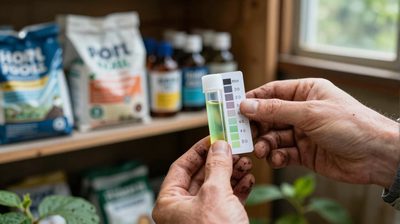
Once you've picked a site, get a soil test. University of Massachusetts Amherst offers a basic test for about $20 that measures pH and nutrient levels. New England soil tends to be acidic (pH 4.5–5.5), but vegetables prefer a pH around 6.0–7.0. If your test comes back low, spread lime a few weeks before planting—I use pelletized dolomitic lime at 5–10 pounds per 100 square feet, depending on the pH gap.
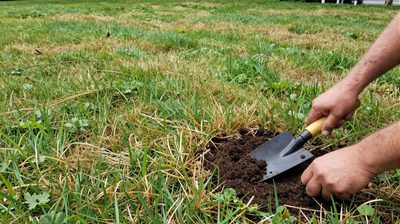
Next, clear the sod or weeds. Forget tilling if you can avoid it—it destroys soil structure. Instead, smother the area with cardboard or landscape fabric for two weeks, then sheet mulch with a layer of compost and shredded leaves. No dig, no regrets. If you must till, keep it shallow (4–6 inches).
Amend with organic matter. Compost from your local garden center (or your own pile) is worth its weight in escarole. Spread a 2-inch layer over the bed and work it into the top few inches. If your soil is heavy clay (common in coastal Massachusetts), add coarse sand or perlite to improve drainage. For sandy soil (think Cape Cod), add more compost to hold moisture.
Finally, build raised beds if your native soil is pure ledge or hardpan. A 4×8 foot bed filled with a mix of topsoil, compost, and organic vegetable mix gives you instant control. I use untreated pine boards—cedar costs more but lasts longer. Just make sure the bed is at least 8 inches deep.
Pick the Right Vegetables for Your Zone and Season
Once the soil is ready, the fun part begins—but how to start a vegetable garden from scratch means choosing plants that actually thrive in your climate. New England is primarily zones 5b–7a, with a short growing season from May to September. That doesn't limit you; it focuses you.
Cool-season crops should go in first. Peas, spinach, lettuce, kale, and carrots can be sown directly into the garden as soon as the soil is workable—usually mid-April in Zone 6, early May further north. I always plant a row of 'Sugar Ann' snap peas and a bed of 'Bloomsdale' spinach first. They can handle a light frost, and you'll be eating fresh greens by late May.
Warm-season crops—tomatoes, peppers, eggplant, cucumbers, squash—wait until after the last frost date. In Boston, that's around May 15; in northern Vermont, it can be June 1. Buy transplants from a reputable nursery (I'm partial to Mahoney's, but your local garden center works). Look for sturdy, dark green plants with no yellowing. Avoid anything that's already flowering—it's stressed and will stall.
Don't plant everything at once. Stagger your plantings every two weeks for a continuous harvest. For example, I sow bush beans 'Provider' on June 1 and again on June 15. Same for lettuce and radishes.
What about heat? New England summers hit 90°F+ now more often. Keep a row cover handy to shade lettuce and spinach when a heatwave hits. And water deeply—1 inch per week, more during dry spells. Mulch with straw or shredded leaves to keep roots cool and suppress weeds.
Avoid These Common Mistakes
I've seen too many beginners kill their garden in the first month by overwatering. Stick your finger in the soil—if it's damp an inch down, don't water. Another mistake: planting too close together. Follow seed packet spacing. A tomato plant needs 18–24 inches between neighbors; crowding invites disease.
And don't ignore pests. Watch for flea beetles on eggplants and cabbage worms on brassicas. A floating row cover (Agribon is my go-to) prevents most problems without chemicals. If you see aphids, blast them off with a hose or use insecticidal soap—just don't spray in full sun.
A Final Word on Patience
How to start a vegetable garden from scratch isn't about instant gratification. It's about building a relationship with a piece of ground over seasons. Your first year might yield a modest harvest, but next year will be better. Keep notes: what grew well, what struggled, when you planted. That log is your secret weapon.
For New England gardeners, the key is knowing your microclimate. A garden in Boston's urban heat island is different from one in the Berkshires. Watch your own backyard first: note where the sun hits, where wind tunnels, where frost lingers. Then plant accordingly.
Now go dig a hole. The soil's waiting.
Letters
No letters yet — be the first to write.