When to Start Seeds Indoors Massachusetts: A Month-by-Month Guide for 2025
I get this question every February from gardeners across the state: when to start seeds indoors Massachusetts? The answer isn't one-size-fits-all because your last frost date varies from the Berkshires to Cape Cod. But if you follow a few simple rules, you can get your seedlings off to a strong start.
Know Your Last Frost Date First
Your seed starting schedule hinges entirely on your average last spring frost date. In Massachusetts, that date ranges from around April 15 in coastal areas like Boston and Cape Cod (zone 6b–7a) to May 15 or later in the western hill towns (zone 5a–5b). The Massachusetts Nursery and Landscape Association publishes a handy map, but you can also use your zip code with the National Gardening Association's frost date tool. Once you know that date, count backward by the recommended number of weeks for each crop.
For example, if your last frost is April 20, you'll start tomatoes 6–8 weeks earlier, around February 23 to March 9. Peppers need 8–10 weeks, so they go in around February 11–25. I always mark these dates on my calendar and set reminders; a week off can mean leggy seedlings or plants that outgrow their pots before transplant time.
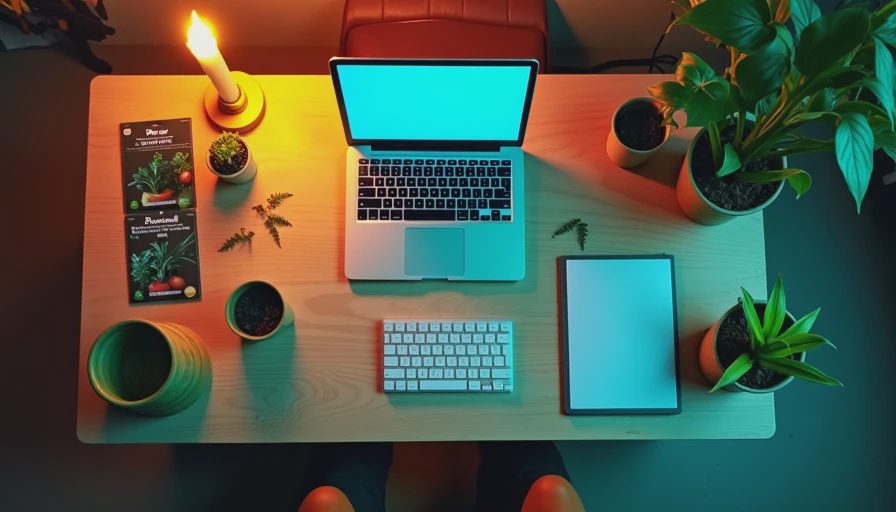
When to Start Common Vegetables Indoors
Here's a quick guide for Massachusetts gardeners, assuming a last frost in early May (central MA) or mid-April (eastern MA). Adjust accordingly for your microclimate.
- Tomatoes: 6–8 weeks before last frost. For May 1 frost, start March 6–20. For April 15, start February 18–March 4.
- Peppers (all types): 8–10 weeks. For May 1, start February 19–March 5. For April 15, start February 5–19.
- Eggplant: 8–10 weeks, same as peppers.
- Broccoli, cabbage, kale: 5–7 weeks. For May 1, start March 13–27.
- Lettuce and greens: 4–6 weeks. They're cold-tolerant and can go out earlier under row cover.
- Herbs like basil, parsley, and cilantro: 6–8 weeks. Basil is frost-sensitive, so don't rush it.
I always start more than I think I need; I lose a few to damping-off or my cat knocking them over. Better to have extras to give away than to scramble for transplants in May.
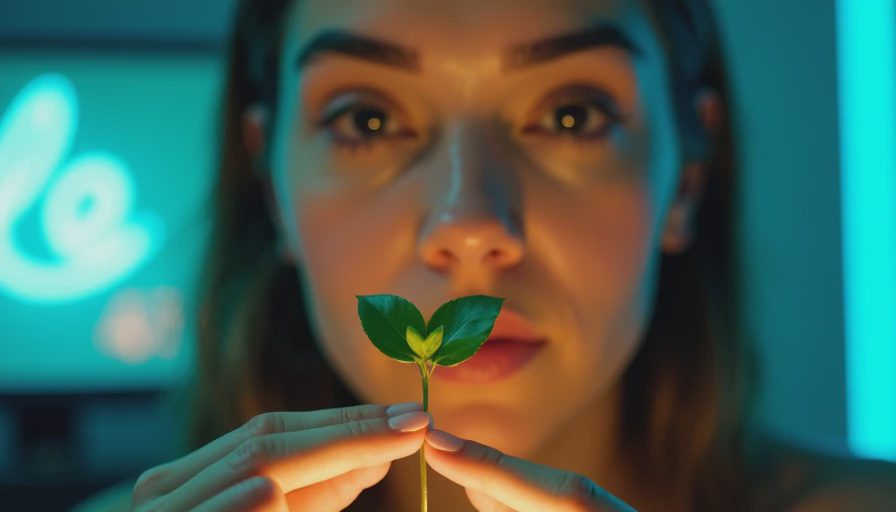
Tools and Supplies for Seed Starting
You don't need a high-end setup, but a few key items make the difference between thriving seedlings and scraggly failures. First, a seed-starting mix: I use Pro-Mix Organic Seed Starting Mix because it's fine-textured and drains well. Avoid garden soil or heavy potting mixes—they compact and breed fungus.
Second, light. A sunny windowsill often isn't enough in late winter. I use Barrina T5 LED grow lights, 4-foot strips, about 2 inches above the seedlings. Without enough light, stems stretch and plants topple over.
Third, heat mats for warm-season crops like peppers and eggplant. Most seeds germinate faster with bottom heat between 65–75°F. Once they sprout, remove the mat to keep the air temperature cooler (60–65°F) to prevent legginess.
Finally, humidity domes or clear plastic covers to keep the soil moist during germination. Remove them as soon as seeds sprout to improve air circulation and prevent damping-off.
Common Mistakes to Avoid
Overwatering is the number one killer. Seedlings need consistently moist soil but not soggy—water from the bottom when the surface feels dry. I fill my trays with a half-inch of water and let the mix wick it up.
Not enough light is a close second. Even a south-facing window in Massachusetts in February only provides about half the light seedlings need. Use artificial lights and keep them on for 14–16 hours a day.
Skipping the hardening-off process. In April, I start setting my trays outside in a sheltered spot for an hour, then increase time daily over a week. A sudden move to full sun and wind will scorch any indoor-grown plant.
Frequently Asked Questions About Starting Seeds Indoors in Massachusetts
Many Massachusetts gardeners ask about when to start seeds indoors Massachusetts. Here are answers to common questions.
Q: Can I start seeds indoors too early?
A: Yes. Starting too early leads to large, root-bound plants that struggle after transplant. For example, tomatoes started 12 weeks before frost will be spindly and stressed. Stick to the recommended windows above.
Q: What if my seedlings get leggy?
A: Legginess means insufficient light. Move lights closer (2 to 3 inches from tops) and increase hours to 16 per day. You can also transplant deeper for tomatoes and peppers (bury the stem up to the first true leaves) to encourage sturdier roots.
Q: Do I need to use grow lights, or can I use a window?
A: In Massachusetts, winter sunlight is weak and short. A south-facing window may work for some cold-hardy greens, but warm-season crops nearly always benefit from supplemental LED lights. I recommend at least a 2-foot T5 fixture for a standard tray.
Q: Should I fertilize seedlings?
A: Not until they have their first set of true leaves. Then use a half-strength liquid fertilizer (like Neptune's Harvest fish emulsion) once a week. Stop fertilizing the week before transplanting.
Plant smart. Grow slow. The garden keeps no secrets.

Letters
No letters yet — be the first to write.