The Best Companion Planting Guide for Vegetables in New England
I walked my garden plot last week, just as the soil was warming enough to turn. The garlic I planted last October is already six inches high, and the first radish seeds are in. But before I put another seed in the ground, I'm reviewing my companion planting guide for vegetables again. Here in New England, every square foot of growing space counts, and putting the right plants together makes the difference between a good harvest and a great one.
Companion planting isn't about mystical garden magic. It's about understanding which plants support each other and which ones compete. When you pair vegetables correctly, you can reduce pest pressure, improve pollination, and even enhance flavor. This companion planting guide for vegetables focuses on what works in our region, with our short growing season and unpredictable spring weather.
Why Companion Planting Matters for New England Gardens
In zones 5b through 7a, we have about 100 to 150 frost-free days, depending on your exact location and microclimate. That means every plant choice and placement matters. Companion planting helps you maximize space by interplanting fast-growing crops with slower ones, and it can reduce the need for pesticides. For example, planting basil near tomatoes is a classic pairing that works here just as well as anywhere. The basil repels thrips and whiteflies, and some gardeners swear it improves tomato flavor. I've tested this side-by-side for two seasons, and the tomatoes next to basil did have noticeably fewer pest issues.
Another reason companion planting is especially valuable in New England: our cool, wet springs can lead to fungal diseases. Good air circulation is critical, and proper spacing between companions means you can pack more variety into your garden without crowding. This companion planting guide for vegetables will help you plan a layout that keeps your plants healthy from May through October.
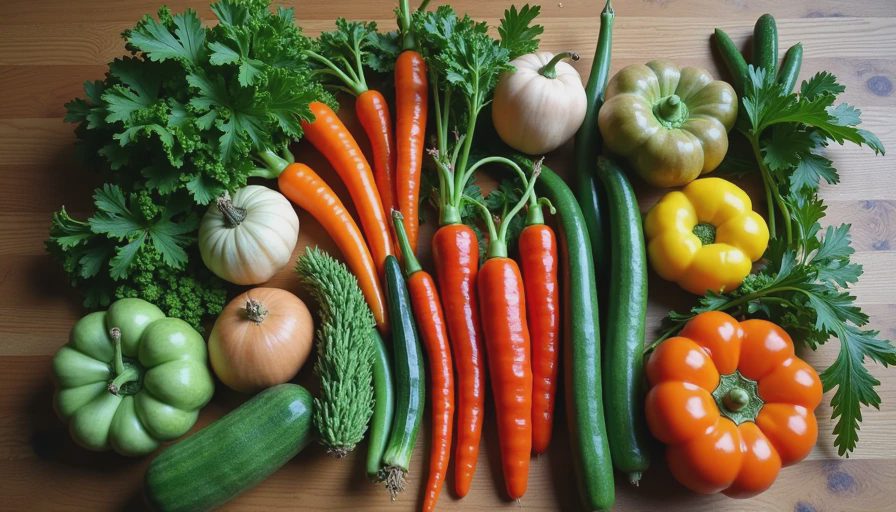
Top Vegetable Pairings That Actually Work
Over the past six seasons, I've tried most of the classic companion combinations. Here are the ones I keep coming back to.
Tomatoes and Basil
This is the gold standard. Basil repels tomato hornworms and whiteflies, and it may improve flavor. Plant basil around the base of each tomato, spacing about 12 inches apart. I use Genovese basil for the best pest-repelling effect.
Carrots and Onions
The strong scent of onions deters carrot flies, and carrots don't seem to bother onions at all. I sow carrot seeds in rows between onion transplants. The onions also help shade the soil, keeping it cool for carrot germination.
Corn, Beans, and Squash (The Three Sisters)
This Native American planting method is perfectly suited to New England. Corn provides a trellis for pole beans, beans fix nitrogen in the soil for the corn and squash, and squash vines shade the ground to suppress weeds. I use a variety of 'Blue Hubbard' squash and 'Scarlet Runner' beans. The key is timing: plant corn first, then beans when corn is 6 inches tall, then squash a week later.
Lettuce and Tall Crops
Interplant lettuce with tomatoes, peppers, or eggplant. The taller crops provide afternoon shade that keeps lettuce from bolting in July heat. I've had my best success with romaine under tomatoes.
What to Avoid: Common Companion Planting Mistakes
Not every plant gets along. Some release chemicals that inhibit others, and some simply compete too aggressively. Here are the pairings I've seen fail.
Fennel and Almost Everything
Fennel is allelopathic, meaning it secretes compounds that stunt the growth of nearby plants. I once planted dill next to fennel thinking they'd be fine, and both were stunted. Keep fennel isolated in a pot or at the edge of the garden.
Potatoes and Tomatoes
Both are in the nightshade family and share common diseases like late blight. In a New England summer with humid nights, planting them together invites disaster. I keep potatoes in a separate bed entirely.
Beans and Onions/Alliums
Onions and garlic release compounds that can inhibit the growth of beans. I plant my beans at the opposite end of the garden from my alliums.
How to Plan Your Garden Layout with Companion Planting in Mind
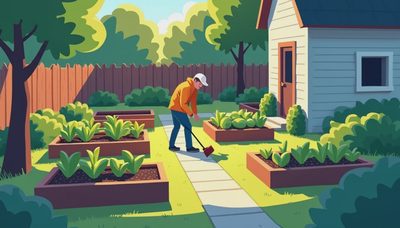
Start by sketching your garden on paper. Group crops by family and growth habit. I use a 4x8 foot raised bed as my base unit. A sample layout: plant tomatoes down the center with basil on one side and carrots on the other. Use the corners for radishes that will be harvested in 30 days. Then follow with a fall planting of spinach.
For a larger garden, create blocks of companions. For instance, a 3x3 foot block of corn with beans climbing up and squash sprawling around the edges. Leave pathways between blocks to avoid compaction and ease harvesting.
This companion planting guide for vegetables is not a one-time plan; it's a system you refine each year. Take notes on what works and what doesn't. Our New England seasons vary widely, so adaptability is key.
A Note on Native Plants and Companion Planting
Including native flowers in your vegetable garden can attract pollinators and beneficial insects. I plant New England aster and goldenrod near the vegetable beds. They bloom late, providing nectar for bees when the garden is winding down. Native species like these are adapted to our climate and require less water than many annuals.
I also tuck in marigolds and nasturtiums, which are not native but are excellent trap crops for aphids. Just be sure to monitor them and remove heavily infested leaves to prevent the aphids from moving to your vegetables.
This companion planting guide for vegetables should give you a solid foundation. Remember that gardening is a relationship with living things. Start small, watch closely, and adjust next year. What I'm watching this week: the first true leaves on my tomato transplants. They're looking strong, and the basil is already up.


Letters
No letters yet — be the first to write.