Gardening in Massachusetts means working with a climate that demands respect. Our state spans USDA zones 5b to 7a, with cold winters, humid summers, and a short but intense growing season. After six years at Mahoney's Garden Centers, I've seen too many homeowners buy plants that look great in the catalog but fail in our New England soil. These Massachusetts gardening tips come from hands-on experience, not generic zone maps. Whether you're tending a community plot in Boston or a suburban yard in Worcester, these practices will help you grow smarter.
Understanding Your Soil: The First Step
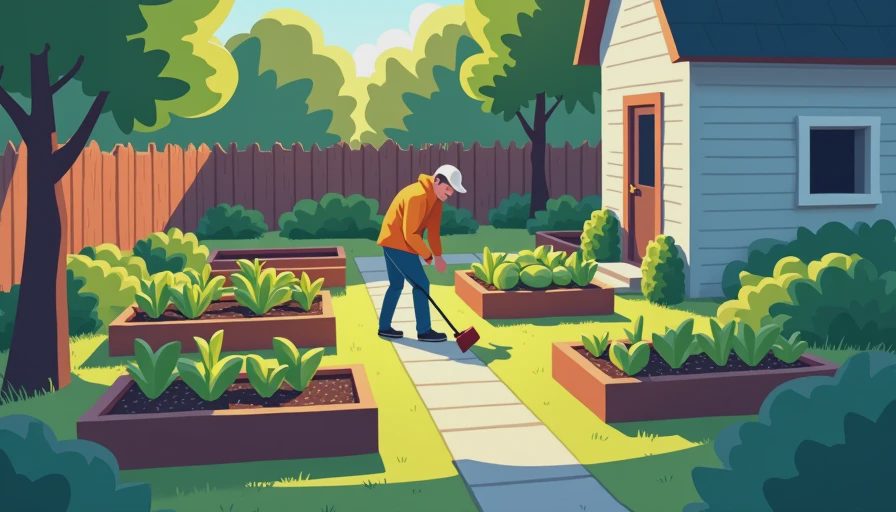
Massachusetts soil is mostly acidic, glacial till—thin, rocky, and often lacking organic matter. Before you plant anything, get a soil test. The UMass Extension Soil Lab offers a basic test for around $20 that measures pH, nutrients, and organic content. I send mine there every spring. Most Massachusetts gardens need lime to raise pH above 5.5, especially for vegetables. If you're growing blueberries or rhododendrons, keep it acidic. Compost is your best friend: work in 2-3 inches of aged compost into your beds each year. It buffers pH, adds nutrients, and improves drainage. I use a mix of leaf compost and well-rotted manure from a local farm.
Choosing Plants That Actually Belong Here
The single biggest mistake I see is planting something that can't survive our winter-wet, summer-drought cycle. Stick with natives and proven cultivars. For shade, plant native ferns like Christmas fern (Polystichum acrostichoides) or ostrich fern (Matteuccia struthiopteris). For sun, try black-eyed Susan (Rudbeckia hirta) or wild bergamot (Monarda fistulosa). Avoid pushing zone 7 plants unless you're on the Cape with coastal moderation. Even then, a polar vortex can wipe out tender perennials. I lost a fig tree that way in 2019—won't make that mistake again. These Massachusetts gardening tips prioritize resilience over novelty.
Seasonal Calendar: When to Do What
Timing is everything here. Spring arrives late—mid-April to early May for the final frost. Don't rush. Start seeds indoors in late March for tomatoes and peppers, but harden them off gradually. Transplant after the soil warms, typically after Memorial Day. Fall is for planting shrubs and trees: the roots grow until the ground freezes, giving them a head start. In July and August, water deeply (1 inch per week) and mulch to keep soil cool. I use shredded oak leaves or pine bark. Late October is the time to cut back perennials and add a layer of compost. Leaving some stems and seed heads provides winter habitat for birds and insects.

Common Mistakes and How to Fix Them
Overwatering is the top killer in Massachusetts gardens. Our clay soil drains slowly; daily watering suffocates roots. Water only when the top inch of soil is dry, and do it in the morning. Another mistake: planting too deep. The root flare should be visible at soil level. I've dug up more than a few buried trees that were planted by homeowners following generic advice. And please don't use landscape fabric under mulch. It prevents decomposition and eventually blocks water. Use cardboard and 3 inches of mulch instead. These Massachusetts gardening tips come from fixing problems, not from a textbook.
Pest Control Strategies for Massachusetts Gardens
Deer, voles, and Japanese beetles are the top troublemakers here. Deer will eat your hostas and tulips unless you use a physical barrier or repellent. I rely on 8-foot fencing around my vegetable beds and spray a homemade egg-based repellent on ornamentals each spring. Voles tunnel under mulch and gnaw tree roots; trapping is the only reliable solution. Japanese beetles show up in July—hand-pick them into soapy water early in the morning when they're sluggish. For a larger infestation, try milky spore powder. It targets grubs without harming pollinators. Avoid broad-spectrum pesticides that kill bees and ladybugs. These Massachusetts gardening tips focus on targeted, low-impact controls that protect your garden and the environment.
What I Planted Instead Last Season
After several seasons of trial and error, my community plot now features 'Homestead' tomatoes (determinate, less prone to disease), 'Blue Lake' pole beans, and 'Early Wonder' beets—all proven performers in our climate. For flowers, I rely on New England aster (Symphyotrichum novae-angliae) and butterfly weed (Asclepias tuberosa). They bloom late, providing valuable food for migrating pollinators. If you're in eastern Massachusetts, try 'Connecticut Field' pumpkins for a reliable fall harvest. The key is to choose varieties bred for shorter seasons. These Massachusetts gardening tips reflect what I actually grow, not what looks good in a catalog.
Gardening in Massachusetts isn't about fighting the climate—it's about working with it. Test your soil, choose the right plants, and time your tasks carefully. The garden keeps no secrets; it tells you exactly what it needs. Listen, and you'll have a thriving plot year after year.



Letters
No letters yet — be the first to write.