Mid-September in Massachusetts, and the garden is humming that bittersweet tune of peak harvest and first frost warnings. If you're gardening in zone 6b, you know this dance intimately—the push to get tender plants to fruition before that first chill, coupled with the anticipation of planting garlic and bulbs for next spring. I manage a nursery in Boston, and the most common question I hear this time of year is, “What can I actually grow here?” The answer, happily, is a lot—but only if you understand where zone 6b sits. It's a transitional zone: warm enough for some borderline perennials, cold enough that a late April freeze can wipe out a peach crop. This guide covers the plant choices, timing, and soil work that make gardening in zone 6b productive and joyful rather than a series of expensive experiments.
Understanding Zone 6b’s Realities
Zone 6b means average minimum winter temperatures of -5°F to 0°F (-20.6°C to -17.8°C). That's cold enough to kill many plants sold in big-box stores as “perennials” if they're not truly hardy. But it also means a growing season of roughly 180–210 days—long enough to ripen tomatoes, peppers, and even some melons if you choose short-season varieties. The real kicker is the variability: New England weather can throw a 90°F day in March or a frost in late May. I've seen too many gardeners lose their basil to an early May freeze because they trusted a warm spell. Gardening in zone 6b requires paying attention to weather patterns, not just calendar dates. Invest in a soil thermometer and row cover; they pay for themselves in saved crops.
Choosing Plants That Thrive in Zone 6b
For perennials, stick with plants rated to zone 5 or colder to ensure winter survival. Some of my reliable favorites: 'Autumn Joy' Sedum (Sedum spectabile), 'Karl Foerster' Feather Reed Grass (Calamagrostis x acutiflora), and Hellebores (Helleborus orientalis) that bloom in late February. For shrubs, try 'Endless Summer' Hydrangea (Hydrangea macrophylla) if you protect it, or switch to a hardier panicle hydrangea like 'Limelight' (Hydrangea paniculata). Edibles: 'Early Girl' tomatoes, 'Marketmore 76' cucumbers, and 'Sugar Ann' peas all do well. But I always caution—don't push zone-pushing. Planting a zone 7 plant in 6b is a gamble that usually ends in disappointment. Stick with what's proven to survive, then add one or two experiments each season.
Timing Your Garden Calendar
In zone 6b, the last frost date typically falls between April 15 and May 15, depending on your specific microclimate. First frost hits from October 1 to October 15. That gives you a solid window for warm-season crops: transplant tomatoes and peppers around May 20–30, direct-sow beans and squash after soil hits 60°F, and start brassicas indoors 6–8 weeks before last frost. For fall gardening, direct-sow kale, carrots, and beets in late July to early August. And don't forget to plant garlic in October—it's one of the most satisfying crops for zone 6b because it overwinters beautifully and harvests in July. I keep a logbook to track each year's first and last frosts; after a few seasons, you'll see patterns that help you decide when to hedge your bets.
Soil Prep for Zone 6b
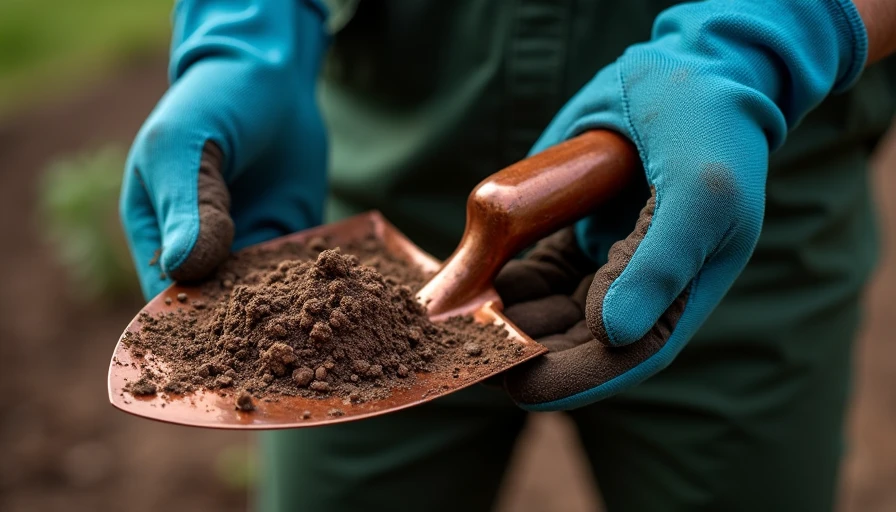
New England soils are famously acidic, often with a pH of 5.0–5.5 in native areas. Most vegetables and many perennials prefer 6.0–7.0, so a soil test is crucial. I recommend getting one through your local extension service (UMass Amherst offers a great test for about $20). Based on results, you may need to add lime in the fall to raise pH. Organic matter is always a good idea—compost, aged manure, or leaf mold. I often see gardeners skip this step, then wonder why their plants struggle. Good soil is the single most important factor in successful gardening in zone 6b. Each spring, I add 2–3 inches of compost to my beds and work it in lightly. It improves drainage, feeds microorganisms, and buffers against temperature swings.
Common Mistakes to Avoid
First, planting too early. I know the itch to get in the garden after a long winter, but setting out tender plants before the soil has warmed—or before the threat of frost has passed—leads to stunted growth or death. Second, ignoring microclimates. A south-facing wall can be a full zone warmer, while a low-lying area may stay frosty weeks longer. Third, not hardening off transplants. Even zonal perennials benefit from a week of gradual exposure. And finally, skipping mulching. A 2–3 inch layer of organic mulch moderates soil temperature, retains moisture, and suppresses weeds—all critical for getting the most out of your growing season.
What I Planted This Year
This season, I put in 'Blueberried Honeysuckle' (Lonicera caerulea), a zone 4–7 shrub that produces tart blue fruit in June. Also 'Rosa rugosa' for its tough hips and salt tolerance, and a new patch of 'Hakonechloa macra' 'All Gold' Japanese forest grass that adds a bright splash in shade. My tomatoes were 'Brandywine' (a gamble that paid off with a warm August) and 'Sun Gold' cherry tomatoes, the most reliable producer I know. Gardening in zone 6b is about learning what your specific microclimate allows and leaning into it. The garden keeps no secrets—it shows you exactly what works and what doesn't. Pay attention, keep notes, and don't be afraid to try something new every year. That's what keeps this relationship with the land alive and rewarding.

Letters
No letters yet — be the first to write.