
If you're building a raised bed this season, you've likely asked yourself: **how deep should raised beds be**? It's one of the first questions I get at the garden center, and the answer isn't one-size-fits-all. In New England, where our soil ranges from heavy clay to sandy loam and our winters test every plant's resolve, getting depth right matters for root health, drainage, and yield. Let's break it down by what you're growing and your specific site conditions.
The General Rule: 12 Inches Minimum
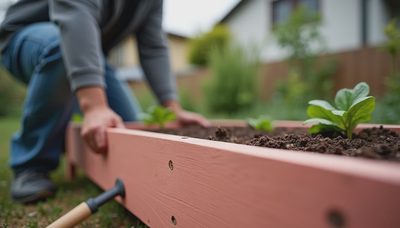
For most vegetable gardens, **how deep should raised beds be**? I recommend at least 12 inches. This depth supports the root systems of common crops like tomatoes, peppers, lettuce, and beans. A 12-inch bed allows for a solid 10–11 inches of loose, amended soil above the native ground—enough for roots to establish without hitting compacted subsoil. If you're only growing shallow-rooted greens and herbs, 8 inches can work, but I've seen more consistent moisture and nutrient availability at 12 inches.
Matching Depth to Root Crops and Perennials
Root vegetables demand more depth. Carrots need 12–14 inches for full root development; parsnips and potatoes prefer 16 inches. If you're planting perennials like asparagus or small fruit shrubs (blueberries, currants), aim for 18–24 inches. Those roots need room to overwinter and spread. So when you ask **how deep should raised beds be** for mixed plantings, I'd default to 18 inches—it covers almost everything you'd grow in a home garden.

Soil Volume and Drainage in New England
Depth directly affects soil volume and drainage—two critical factors in our region. A 12-inch by 4-foot by 8-foot bed holds about 32 cubic feet of soil. Deeper beds hold more moisture, which is beneficial in our dry summer spells but can be problematic if your native soil is clay. In that case, a 12–16 inch depth with added organic matter (compost, leaf mold) improves drainage. Conversely, if you're on sandy soil, deeper beds (18 inches) help retain water and nutrients. The depth you choose influences how often you'll need to water and amend.
Seasonal Considerations for Cold Climates
New England winters freeze the ground several feet deep. A deeper raised bed—18 inches or more—provides better insulation for perennial roots and can allow for season extension with row covers or low tunnels. The soil in deeper beds warms more slowly in spring but stays warmer into fall, extending your harvest. For annual vegetables, 12 inches is sufficient; but if you're pushing the zone limit on a plant, a deeper bed gives you a few degrees of protection.
Common Depth Mistakes I See in Gardens
I've visited dozens of New England gardens, and the most common mistake is building beds only 6–8 inches deep. That's barely enough for lettuce roots, and tomatoes will struggle. Another mistake is assuming the native soil below the bed doesn't matter. Even a 12-inch bed will underperform if the ground underneath is compacted clay that doesn't drain. Before you decide **how deep should raised beds be**, dig down a foot in your site and see what you're working with. If it's tight, consider adding a few inches of gravel beneath the bed.
Plant-Specific Depth Guide: A Quick Reference
To make it easier to decide **how deep should raised beds be** for each crop, here's a quick reference based on typical root depths:
- **Shallow roots (6–8 inches):** Lettuce, spinach, radishes, herbs (basil, cilantro, chives). A shallow bed works, but 12 inches gives more moisture buffer.
- **Medium roots (12–14 inches):** Tomatoes, peppers, eggplant, cucumbers, beans, peas, kale, chard, carrots (short varieties). This is your standard vegetable garden depth.
- **Deep roots (16–24 inches):** Carrots (long varieties), parsnips, potatoes, sweet potatoes, asparagus, rhubarb, blueberries, currants, small fruit trees.
- **Very deep (24+ inches):** Sunchokes, horseradish, established perennials like comfrey, or if you want to try a mini food forest.
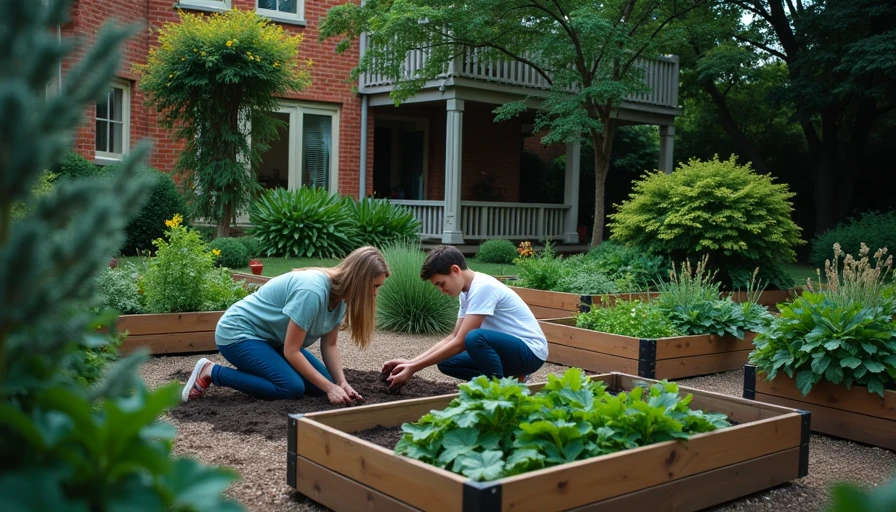
Use this guide when planning your beds. If you're mixing shallow and deep crops, aim for the deepest requirement. For example, a bed with tomatoes and basil should be at least 12 inches; one with asparagus and blueberries needs 18–24 inches. Remember that these are minimums—going deeper never hurts, as long as you fill with quality soil.
Final Recommendation: Start at 12, Go to 18
If you're still unsure **how deep should raised beds be**, here's my honest advice: build them 18 inches deep. I know that's more soil and more cost upfront, but it future-proofs your garden. You can grow deep-rooted crops, it handles New England's variable drainage, and it gives roots room to breathe. For a standard 4x8 bed, that's about 48 cubic feet of soil—roughly 2 cubic yards. It might seem like a lot, but I've never had a gardener tell me they wished their beds were shallower.
**What I planted instead this year:** I'm trying a 24-inch-deep bed for a mix of sunchokes, asparagus, and a few blueberries. I'll report back on how the deeper profile affects winter survival. In the meantime, measure twice, fill with good soil, and give your plants the depth they deserve.

Letters
No letters yet — be the first to write.