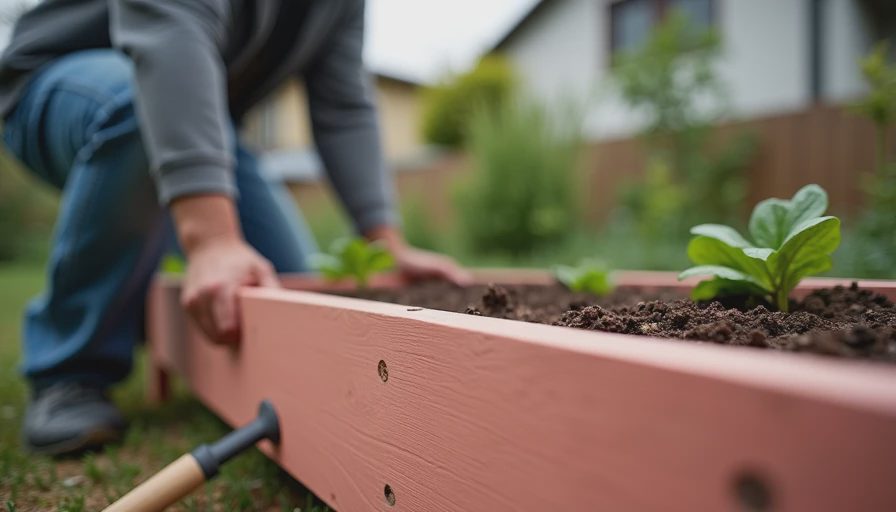
If you're looking to learn how to build a raised garden bed cheap, you've come to the right place. As a New England horticulturist who has built dozens of beds on a budget, I know that the biggest expense isn't always the lumber — it's the soil. In this guide, I'll walk you through the cheapest ways to construct a sturdy, long-lasting raised bed that will produce great vegetables or perennials without breaking the bank.
Why Pine Is Your Best Bet for a Cheap Raised Bed
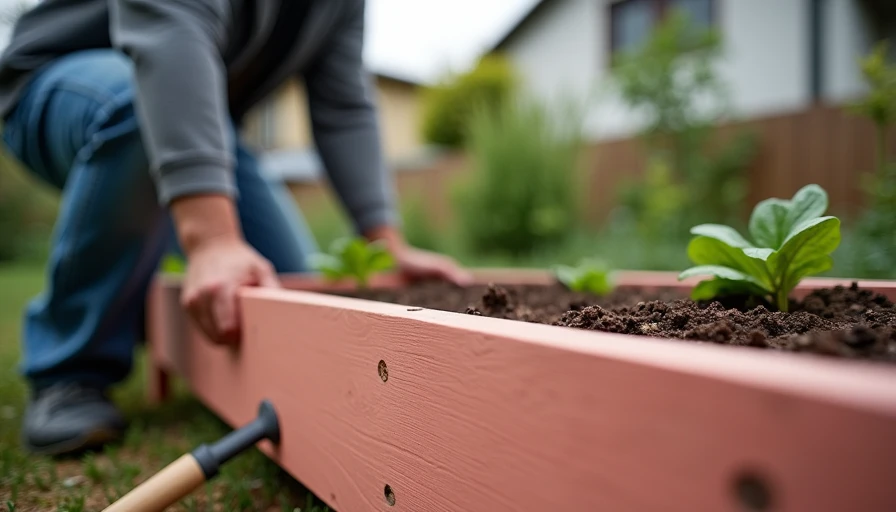
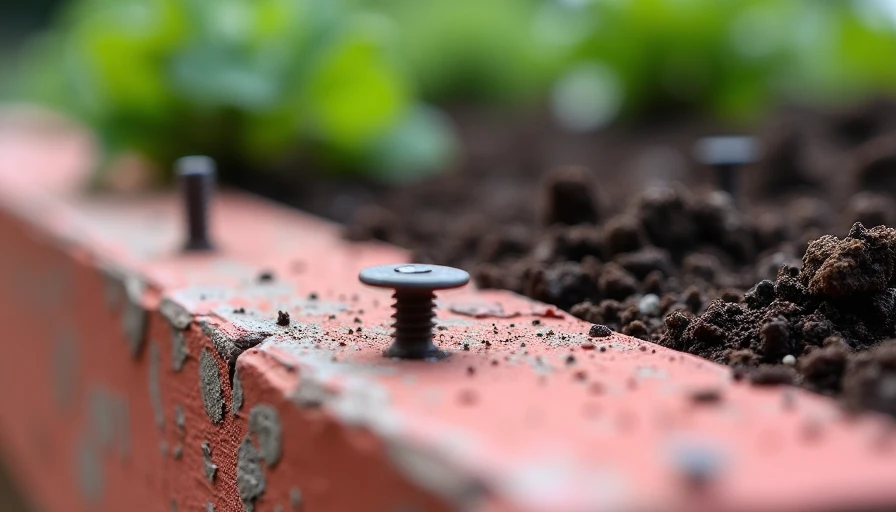
For a budget bed, skip the cedar and go with untreated pine or fir dimensional lumber from a big-box store. A 2x6x8 board costs around $6–$8. For a standard 4x8 foot bed, you'll need three 8-foot boards: two for the long sides and one cut in half for the short sides. That's about $20 in lumber. Add a box of 3-inch deck screws ($8) and maybe a couple of 2x2 stakes for corner reinforcement ($4). Total lumber investment: $32. That's half the cost of a cedar kit, and the pine will last 3–5 years before showing rot. By then, your soil will be so rich you'll want to upgrade anyway.
If you can find free pallets, check for the "HT" stamp (heat treated) — these are safe for vegetable gardens. Avoid pallets with "MB" (methyl bromide). Disassembling pallets is labor-intensive but saves every penny.
Another cheap option is concrete blocks. They run about $1.50 each at home centers. For a 4x8 bed stacked two blocks high (roughly 8 inches), you'll need 60 blocks — $90 total. But they're permanent, require no screws, and create built-in planting pockets on the sides.
The Lasagna Filling Method: Save on Soil
The real money pit in raised beds is the soil. A 4x8 bed that's 6 inches deep needs 16 cubic feet of growing medium. Bagged raised bed mix at $8 per 2-cubic-foot bag would set you back $64. That's more than the lumber! Instead, use the lasagna or hugelkultur method: layer cardboard on the bottom to smother weeds, then add bulky organic matter like logs, branches, leaves, grass clippings, and unfinished compost. Top with 6 inches of quality topsoil ($20 from a landscape supply) and a couple bags of compost ($10). Your total filling cost drops to $30. The organic layers decompose over the season, feeding your plants and saving you from buying expensive soil.
I've used this method in my own community garden plot in Jamaica Plain. Last spring I filled a 4x8 bed with yard waste collected from neighbors and a single yard of topsoil from a local nursery. The tomatoes and peppers that year were the best I've grown.
New England Considerations
Our region's rocky, acidic soil makes raised beds a smart choice, but our short growing season means you need to be efficient. Build your bed in early spring as soon as the ground thaws — usually mid-April in southern New England. If you're using pine lumber, consider extending its life by painting the interior with a food-grade sealant or lining with plastic drainage holes. Avoid pressure-treated wood made before 2003 (CCA), but modern ACQ-treated pine is safe for veggies if you don't mind the extra cost.
Another tip: raise the bed on a slight slope to prevent water pooling during heavy spring rains — a common issue in New England gardens. If you have heavy clay soil, don't bother digging out the sod below; the cardboard layer will smother it, and the roots will eventually break through.
What I'm Watching This Season
This year I built a budget pine bed using the lasagna method for under $70 total. I planted 'Brandywine' tomatoes and 'Genovese' basil. The soil is rich with decomposing maple leaves and coffee grounds from a local café. So far, no signs of rot on the wood, and the plants are thriving. If you're on the fence about how to build a raised garden bed cheap, just start with one bed and see how it goes. The garden keeps no secrets — you'll know by July if it worked. And for under a hundred bucks, it's a low-risk experiment that pays off in fresh food all summer.
Quick Cost-Benefit Checklist for Your Budget Garden Bed
Before you buy materials, run through this checklist to keep costs low:
- **Material choice:** Pine lumber ($32 for a 4x8 bed) vs. concrete blocks ($90) vs. free pallets ($0 but labor). For the cheapest option, pine wins, especially if you can catch a sale.
- **Soil strategy:** Using the lasagna method, you spend around $30 on topsoil and compost vs. $64 for bagged mix. That's a $34 savings per bed.
- **Tools you already own:** You'll need a drill, tape measure, level, and saw. Borrow if you don't have them — no need to buy.
- **Location selection:** Place your bed on level ground with full sun to avoid costly drainage work or tree root removal.
- **Time investment:** Building the box takes about 1 hour; layering the fill takes another 1-2 hours. Total labor: 3 hours for a bed that lasts 3-5 years.
- **Season extension:** Consider adding a simple hoop house made from PVC pipes and clear plastic ($20) to get an extra month of growth — a huge return on investment.
By following this checklist, you can build a raised garden bed for under $70 total, with most of the cost going to lumber and soil. The key is avoiding expensive kits and bagged mixes. Stick to these principles, and you'll be harvesting homegrown veggies by July — all while learning how to build a raised garden bed cheap.


Letters
No letters yet — be the first to write.