The end-of-season garden cleanup is finally done — the tomato cages are stacked, the frost-nipped basil is pulled, and you're left with a mountain of plant debris. Before you bag it all for curbside pickup, let's talk about what to compost and what not to compost. Because in New England, where our soil tends toward acidic clay or sandy loam, a well-managed compost pile is one of the best investments you can make for next year's garden.
The Basics: Greens and Browns
Composting is about balancing carbon-rich "browns" (dried leaves, wood chips, paper) with nitrogen-rich "greens" (grass clippings, kitchen scraps, fresh plant waste). A good rule of thumb is two to three parts browns to one part greens by volume. For most New England yards, that means you'll need more browns than you think — especially in fall when leaves are plentiful. But not all organic matter belongs in the bin. Knowing what to compost and what not to compost can save you from a smelly, pest-attracting mess.
What to Compost: The Green List
Most fruit and vegetable scraps are fine: apple cores, banana peels, carrot tops, and that bag of spinach you forgot about. Citrus peels are fine, but chop them into smaller pieces — whole oranges take forever to break down. Coffee grounds and filters, tea bags (remove staples), and crushed eggshells all add nutrients. Garden waste like spent annuals, grass clippings (if not treated with herbicide), and soft prunings break down quickly. Leaves from most deciduous trees — oak, maple, birch — are perfect browns, but shred them first if you can. Pine needles are fine in moderation, but they break down slowly and can acidify the pile, so mix them well. Manure from herbivores (cows, horses, rabbits) is a great nitrogen source. I've had good results with well-aged horse manure from a local stable — just make sure it's not from animals that have grazed on pasture treated with persistent herbicides. The same goes for your own lawn clippings; if you use weed-and-feed products, keep them out of the compost.
What Not to Compost: The Red List
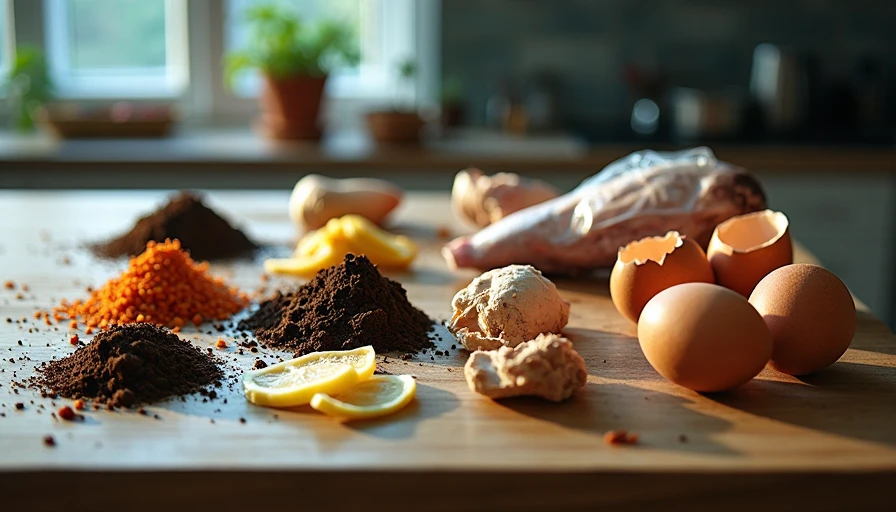
Understanding what to compost and what not to compost also means knowing which materials can introduce pathogens, attract pests, or slow down the process. Meat, bones, fish, and dairy are classic no-gos — they smell, attract raccoons and rats, and break down too slowly in home piles. Similarly, oily foods and salad dressing leftovers create anaerobic conditions. Diseased plant material — think tomato blight, powdery mildew, or rose black spot — should go in the trash or be buried deep in a hot compost system (which most home piles aren't). If your pile doesn't reach 140°F for several days, those pathogens survive and infect next year's plants.
Weeds that have gone to seed are another problem. Even in a cold pile, seeds of crabgrass, dandelion, or bindweed can remain viable for years. The same goes for invasive species like garlic mustard or Japanese knotweed — I've seen too many gardeners spread knotweed-infested compost and regret it for a decade. Also avoid glossy paper (magazine pages) and colored inks on cardboard; the heavy metals aren't good for your soil. Cat or dog waste is a definite no — it can contain toxoplasmosis and other parasites that persist in home compost. Likewise, biodegradable plastics may claim to be compostable, but most require industrial temperatures; stick to natural materials.
Troubleshooting Your Pile
If your compost smells like ammonia, you have too many greens and not enough browns — add shredded leaves or dry straw. If it's not heating up, it's either too dry, too small, or lacking nitrogen. A pile needs to be about 3 feet cubed to retain heat. In New England's cold springs, I've found covering the pile with a tarp or black plastic to be essential for jump-starting decomposition. The question of what to compost and what not to compost also depends on your management style. "Cold" composting (just pile it and wait) works fine for less ambitious gardeners, but "hot" composting (turning every few days, monitoring moisture) can break down many borderline materials like weeds and diseased plants — but only if you're committed.
If your pile is still not breaking down after a year, try adding high-nitrogen greens like fresh grass clippings or a handful of alfalfa meal. For persistent odor, turn the pile and incorporate coarse browns like straw or wood chips. And remember: winter composting slows dramatically in New England. I keep a separate pail for kitchen scraps and bury them under a thick layer of leaves in a dedicated cold pile that I ignore until spring.
Tools That Make Composting Easier
You don't need expensive gear, but a few tools help. A $20 compost thermometer lets you monitor internal temperature — aim for 130–160°F for hot composting. A bin like the GEOBIN ($40–50) is portable and easy to set up. For small spaces, a tumbling composter (around $70) makes turning painless. I use a simple open pile with a wire mesh enclosure, but the key is consistency: turn weekly, keep moisture like a wrung-out sponge, and add a balanced mix of greens and browns.
The Bottom Line for New England Gardeners
Composting is not complicated, but it does require a little discernment. Stick to the basics: fruit and veggie scraps, yard waste (excluding diseased or seeded materials), and plenty of browns. Avoid meat, dairy, stubborn weeds, and pet waste. If you're ever unsure, it's better to err on the side of caution — a single bag of contaminated compost can undo weeks of careful gardening.
What I tell customers at Mahoney's is this: "Compost is not a garbage disposal. It's a soil-building ingredient." Think of it like cooking: you wouldn't throw leftover Chinese takeout into a sourdough starter. Same idea with compost. Start with a simple pile of leaves and kitchen scraps, keep it moist but not wet, and by next spring you'll have dark, crumbly humus that your New England garden will love.
What I'm watching this week: the first hard freeze on the way. Time to mulch the garlic bed and make one last batch of compost tea for the overwintering beds. Happy composting!

Letters
No letters yet — be the first to write.