The Fertilizer Aisle Trap
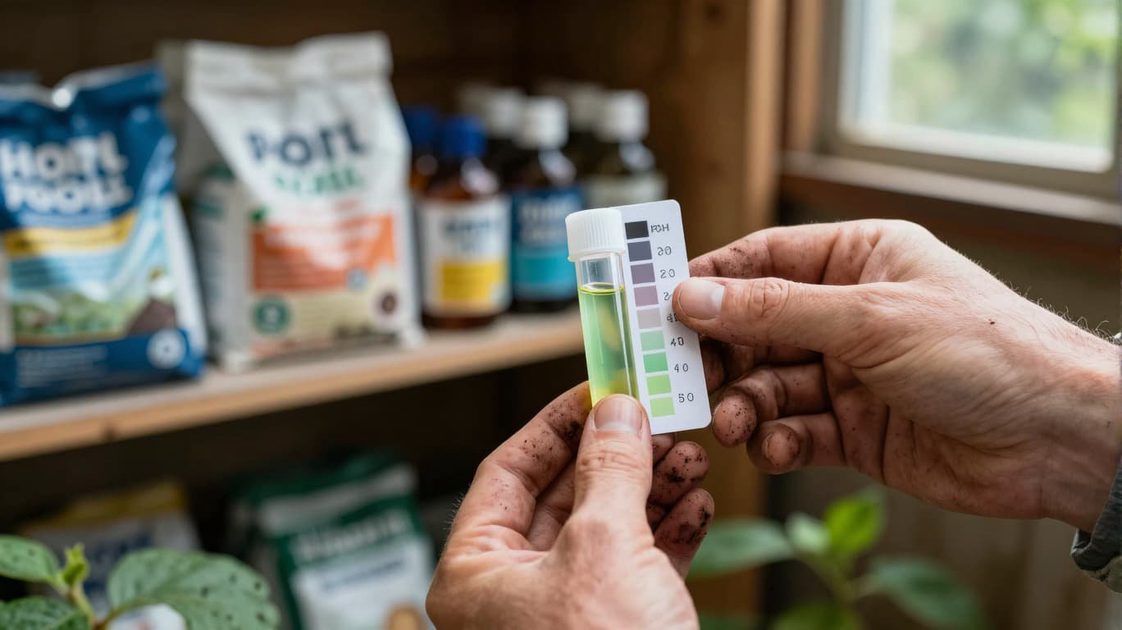
Every garden center has a fertilizer aisle, and it is designed to make you feel like the answer is in a bag. Nitrogen, phosphorus, potassium — the three numbers on the label promise to fix whatever is wrong. What the bag does not tell you is that those numbers mean nothing if your soil pH is off.
I learned this early in my time at Mahoney's. A customer would come in with a tomato plant that was yellowing. They would buy a high-nitrogen fertilizer, apply it, and come back a month later with a plant that was more yellow, not less. I sold them the bag. The bag was not the problem. The problem was a pH of 5.2 that nobody had tested, locking the nitrogen in the soil so the plant could not reach it.
What pH Actually Does
Soil pH measures how acidic or alkaline your soil is, on a scale from 0 to 14. Seven is neutral. Below seven is acidic. Above seven is alkaline. Most garden plants in New England do best between 6.0 and 7.0 — slightly acidic to neutral.
pH does not feed plants. It controls whether the nutrients already in your soil are available to plant roots. Think of nutrients as being behind locked doors, and pH is the key. When pH is in the right range, the doors open and roots can access what they need. When pH is too low or too high, some doors stay locked no matter how much fertilizer you add.
In acidic soils below 5.5, phosphorus becomes chemically bound to iron and aluminum and is unavailable to plants. Calcium and magnesium are also depleted. In alkaline soils above 7.5, iron, manganese, and zinc become locked up, leading to chlorosis — yellow leaves with green veins. Adding more fertilizer to these conditions is like adding more books to a locked library. The materials are there. The access is not.
New England Soils Run Acidic
Here is what matters for our region. New England soils are naturally acidic. Our bedrock is mostly granite, our rainfall is abundant and slightly acidic, and decades of leaf litter decomposition in forests has acidified the ground beneath our yards. Most soil tests I have run in Boston-area gardens come back between 5.0 and 6.0.
At pH 5.0, your plants are struggling to access nitrogen, phosphorus, potassium, calcium, and magnesium — the majority of the essential nutrients. You can pour fertilizer into that soil, and the plant will use a fraction of it. The rest leaches away or stays chemically locked in the soil until the pH changes. You are paying for runoff, not for plant growth.
The fix is not more fertilizer. The fix is lime. Agricultural lime is ground limestone that raises soil pH gradually over several months. It is the most important soil amendment that nobody talks about because it does not come in a glossy bag with a marketing budget.
How to Test Your pH
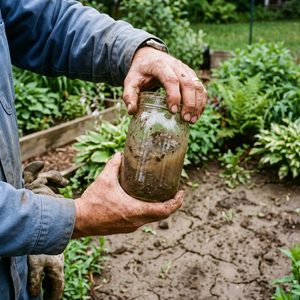
Do not guess. The little meters with metal probes sold at hardware stores are unreliable. I have tested them side by side with lab results and found differences of a full pH point — which is ten times the acidity difference, because the scale is logarithmic.
A soil test from your local extension service costs fifteen to twenty dollars and gives you actual pH plus macronutrient levels. In Massachusetts, UMass Amherst runs the soil testing lab. You mail in a sample and get results in a week to ten days. That report is the best gardening investment you will make all year.
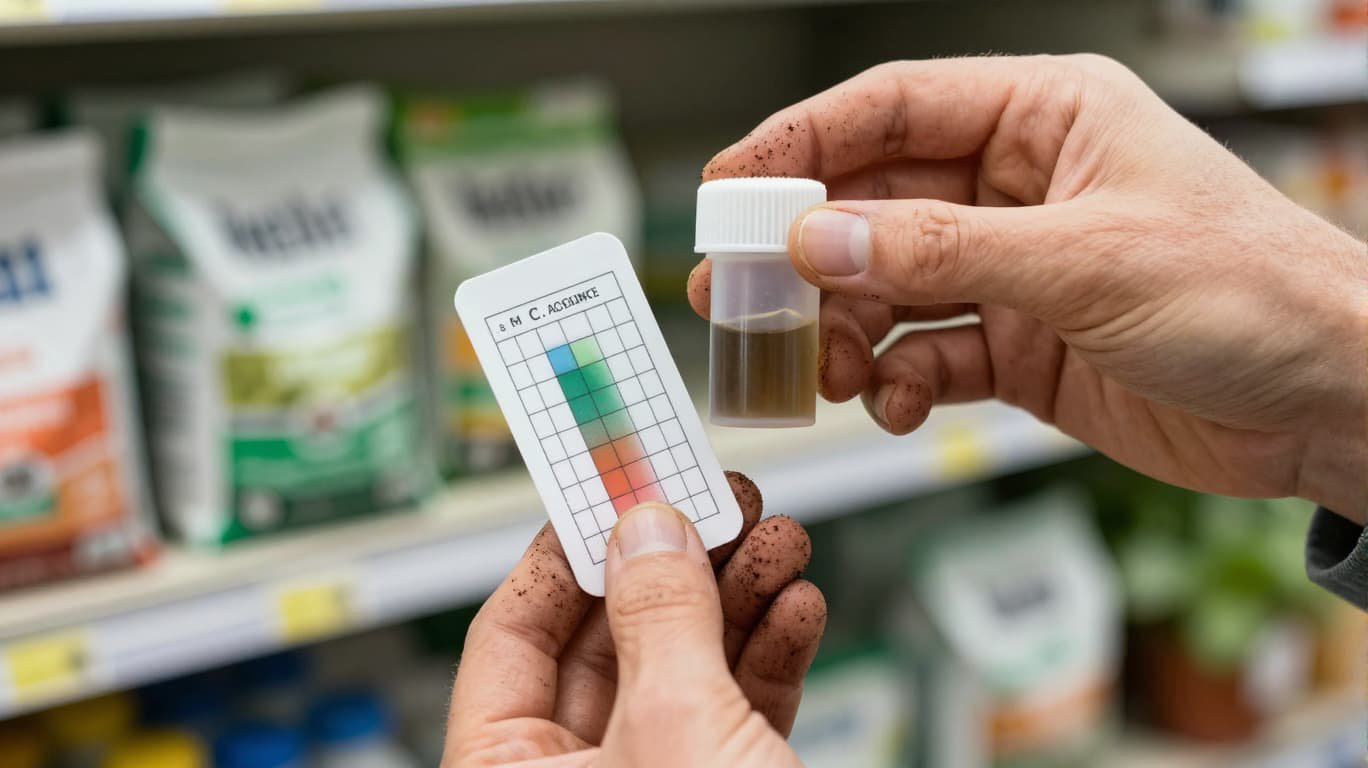
If you need a quick check before sending a sample, a home test kit with capsules or strips and distilled water is reasonably accurate. I keep one in my shed for spot checks. But get the lab test for any bed you are planting for the first time, and retest every two to three years.
What the Fertilizer Numbers Mean
Once you know your pH, the three numbers on a fertilizer bag — N-P-K, nitrogen-phosphorus-potassium — become useful instead of confusing.
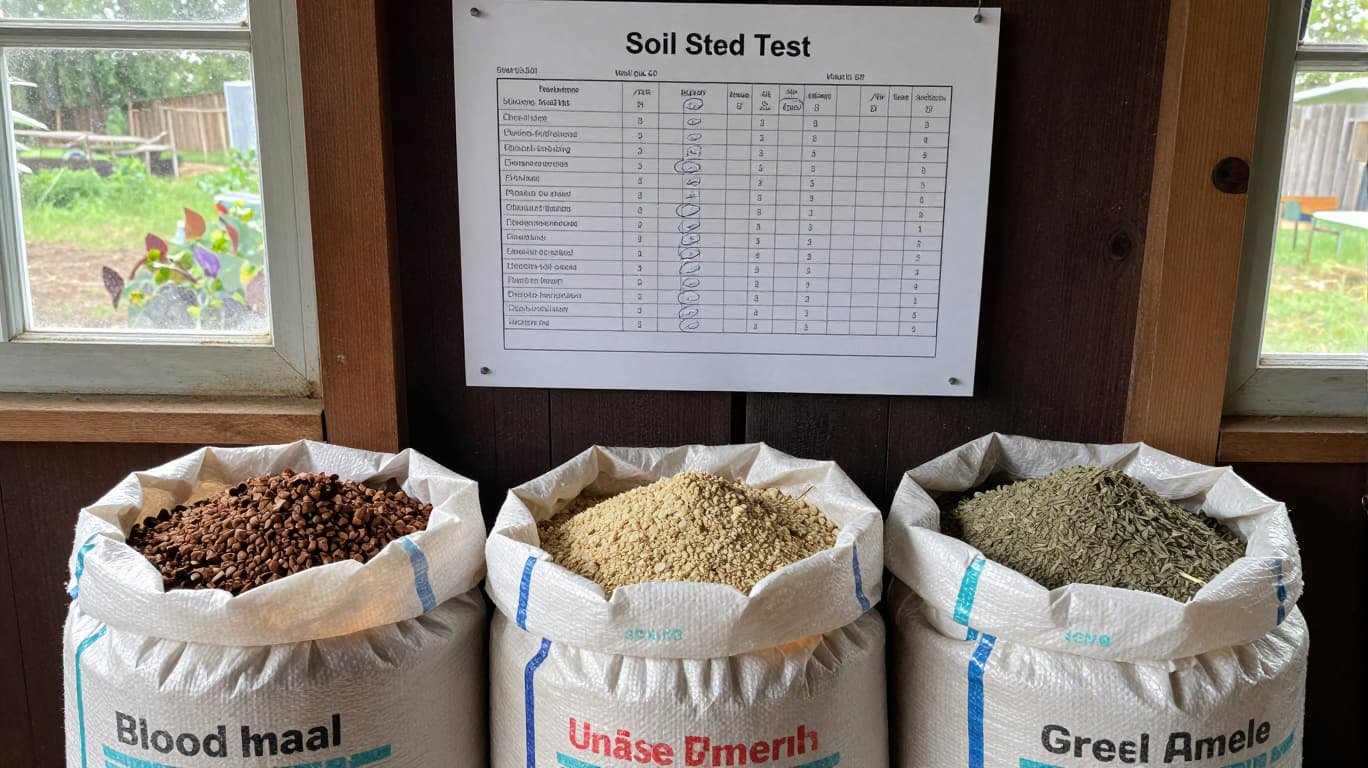
Nitrogen grows leaves and stems. Too much nitrogen and you get lush foliage at the expense of flowers and fruit. Phosphorus supports root development, flowering, and fruiting. Potassium regulates water movement and stress tolerance. A soil test tells you which of these your soil actually needs. If your potassium level is high and you add a balanced 10-10-10 fertilizer, you are adding potassium you do not need, wasting money and potentially creating nutrient imbalances.
In my Dorchester clay, after years of compost and leaf mulch, my phosphorus and potassium levels are generally adequate. I mostly add nitrogen in the form of blood meal or alfalfa meal for heavy feeders like tomatoes. I do not buy all-purpose fertilizer anymore because my soil test showed me my soil does not need all-purpose anything.
Work With Your Soil's Natural pH
Some gardeners want to grow blueberries next to lavender. Blueberries need acidic soil around pH 4.5 to 5.5. Lavender needs alkaline soil near 7.0 to 8.0. You cannot provide both conditions in the same garden bed. This is not a failure. It is a constraint, and constraints make gardens better.
Accept the pH you have, adjust it moderately if needed, and choose plants that thrive in your actual conditions. New England's slightly acidic soil is perfect for rhododendrons, hydrangeas, ferns, and most native perennials. It is less suited to lavender, rosemary, and bearded iris, which prefer alkaline conditions. I grow the plants that want my soil, not the plants that need me to overhaul it.
Before you buy fertilizer this season, spend the fifteen dollars on a soil test instead. Read the pH number first. Then read the N-P-K levels. Only then decide what to buy. The order matters. The plants are waiting, but they are not waiting for a bag of numbers. They are waiting for the key to turn in the lock.
Letters
No letters yet — be the first to write.