Full Shade Perennials Zone 5: Reliable Plants for Dark Corners of Your New England Garden
Late March in New England—the snow is finally pulling back, and the first green shoots of spring bulbs are pushing through. But in the shadow of that big maple or along the north side of your house, it's a different story. Bare soil, leaf litter, and a distinct lack of light. If you've got a spot that gets zero direct sunlight—no morning rays, no dappled afternoon glow—you need plants that are built for it. I get asked at least once a week at the nursery: "Can anything really grow in full shade?" The answer is yes, but you have to choose wisely. These are the full shade perennials zone 5 gardeners can count on—plants that don't just survive in deep shade but actively thrive there. I've grown every one of them in Massachusetts soil, and they earn their spot year after year.
Top Choices for True Full Shade
Let's start with the workhorses. Hostas are the obvious choice, and for good reason. Not all hostas tolerate deep shade equally—the blue-leaved varieties like 'Halcyon' hold up better than the gold ones in low light. Plant them in rich, well-drained soil with a pH around 6.0 to 6.5. Space them 18 to 24 inches apart, and expect them to take two growing seasons to really fill in. The slugs will come for the tender leaves in spring; a ring of diatomaceous earth around each crown will stop most of them. A 1-gallon hosta costs $12 to $18 at a local garden center—skip the big-box store, where the varieties tend to be generic.
Ferns are another no-brainer for full shade perennials zone 5. The native Christmas fern (Polystichum acrostichoides) is evergreen in our zone, holding its dark fronds through winter if snow cover is consistent. Interrupted fern (Osmunda claytoniana) and lady fern (Athyrium filix-femina) are deciduous but spread nicely in moist, acidic soil. Ferns are deer-resistant, which is a huge plus for suburban yards. I've planted them under a Norway maple that casts such dense shade even grass gives up, and they're still going strong five years later. Expect to pay $10 to $15 for a quart pot.
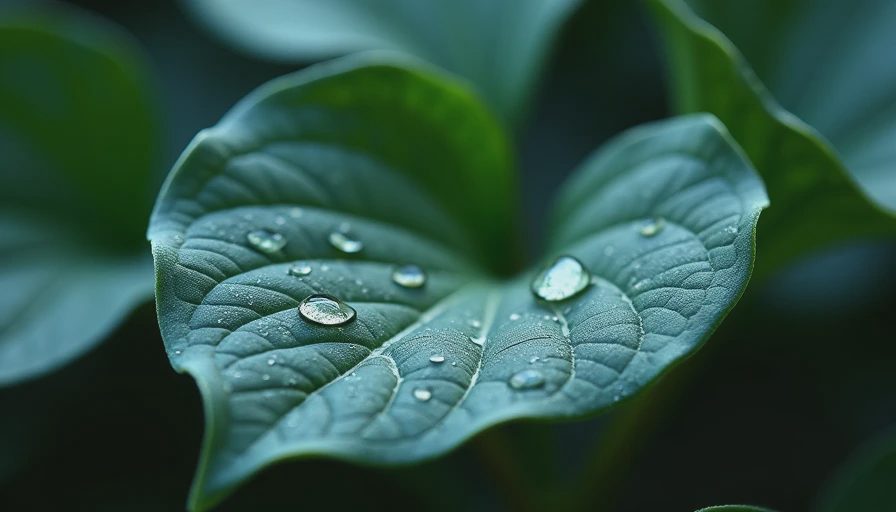
But let's talk about the plants that actually flower in full shade. Many gardeners assume that no sun means no blooms, but that's not true. Astilbe (Astilbe chinensis) produces feathery plumes in pink, red, and white in early to midsummer. They need consistent moisture—don't let them dry out in July. I plant them in groups of three for the best visual impact. Heuchera (coral bells) is grown mostly for its foliage now, but newer cultivars like 'Berry Timeless' do produce delicate flower spikes even in deep shade. The leaves come in shades from lime green to deep purple, so they add color even when not in bloom. Pulmonaria (lungwort) is an early spring star, with spotted leaves and pink-to-blue flowers that pollinators love. It will go dormant in summer if the soil gets too dry, so mulch it well. All of these are available for around $10 to $15 per 1-gallon pot.
Now, a word of warning about plants that claim to be "full shade" but usually fail in zone 5. Bleeding heart (Lamprocapnos spectabilis) is often sold as a shade plant, but it goes dormant by midsummer—leaving a bare patch. Plant it only if you have companion perennials to fill the gap. Impatiens are annuals, not perennials, so don't rely on them. And avoid anything labeled "partial shade" unless you've got at least two hours of direct sun. The full shade perennials zone 5 really need a site that's shaded all day, not just afternoon.
Planting and Care Tips for Zone 5 Shade Gardens
What about groundcovers for those large, dark areas under trees? Pachysandra terminalis 'Green Sheen' is a classic, but it can be aggressive—I've seen it leap flower beds. Instead, try Tiarella cordifolia (foamflower), which stays in a tidy clump and sends up white flower spikes in spring. Or consider Galium odoratum (sweet woodruff), which has whorled leaves and tiny white flowers in May. Both spread by runners but are easy to control with an edging shovel once a year. Sweet woodruff also smells like fresh hay when crushed—a lovely bonus for a pathside planting.
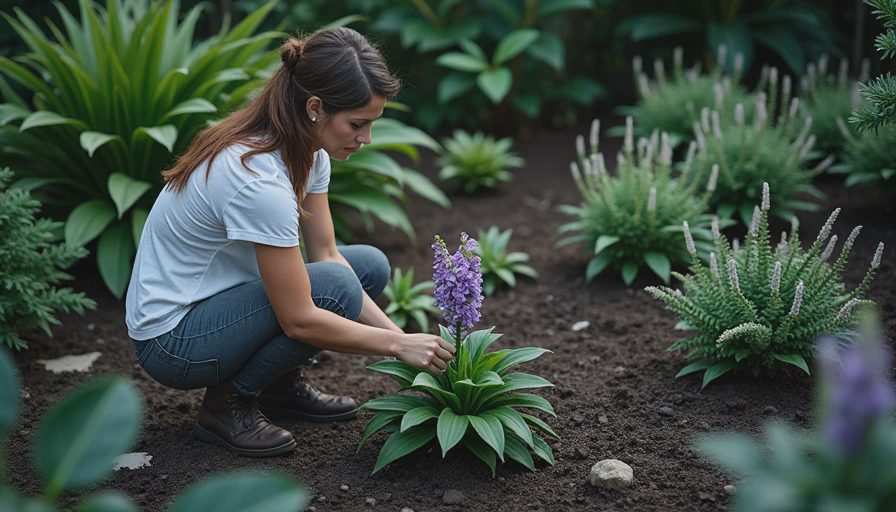
Finally, soil preparation makes or breaks a shade garden. Under trees, the soil is often dry, compacted, and full of feeder roots. Don't till—that damages tree roots. Instead, add 2 to 3 inches of leaf compost on top each spring and let the worms work it in. Water deeply during dry spells because tree roots will steal moisture from your perennials. I've lost more ferns to drought than to cold. A slow-drip soaker hose laid on the surface works well; run it for 30 minutes twice a week when there's no rain.
In terms of maintenance, these full shade perennials zone 5 plants need little more than an annual mulch top-up and a spring cleanup. Cut back fern fronds and old hosta leaves before new growth emerges in April. Divide hostas every four to five years if they start crowding. Astilbe can be divided every three years to keep blooms vigorous. And don't fertilize heavily—a light application of a balanced organic fertilizer (like 5-5-5) in early spring is plenty. Overfeeding leads to weak, floppy growth in low light.
What I planted instead this year: I swapped out a struggling patch of lily-of-the-valley (Convallaria majalis) for a mix of dryopteris ferns and tiarella. The lily-of-the-valley had become invasive and never bloomed in that spot. So far, the new combo looks cleaner and stays green all season. If you're in zone 5 New England and stuck with a full-shade problem area, start with the plants I listed here. They won't disappoint.
Remember: gardening in shade is about working with what you have, not fighting it. Choose perennials that evolved for low light, give them decent soil and consistent moisture, and you'll have a lush, low-maintenance garden that looks good from April through October. And if you're ever in Boston, stop by Mahoney's and ask for me—I'll point you to the right rack.




Letters
No letters yet — be the first to write.