The August Slump Is Real
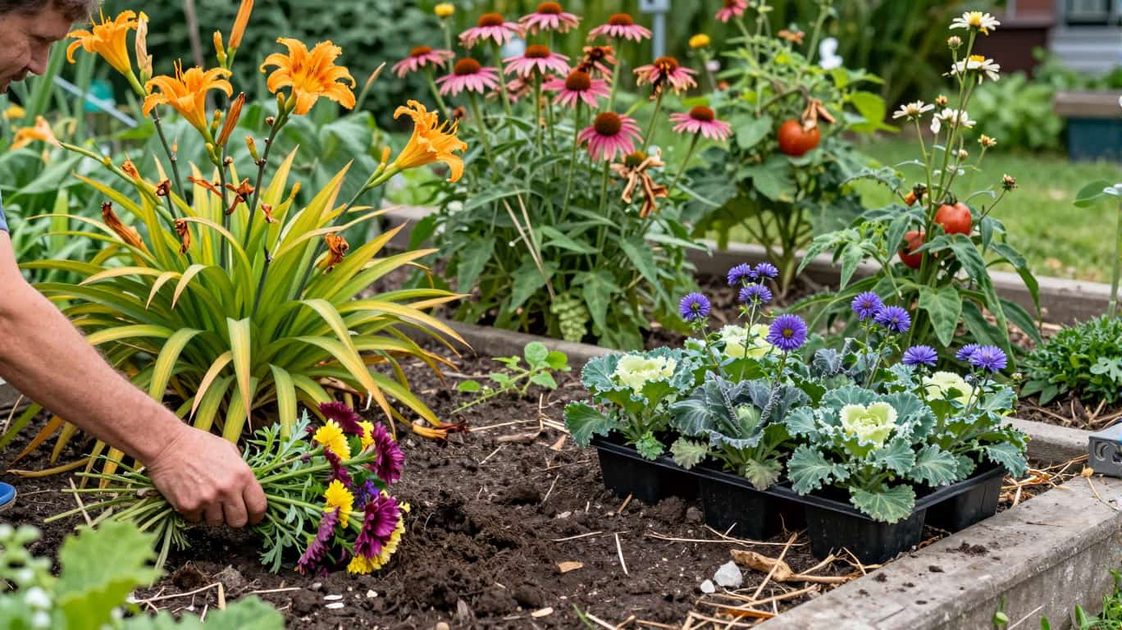
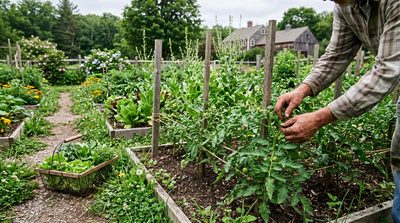
August in New England is tough on gardens. The heat has been building for weeks. The early summer blooms are gone. The daylilies have finished, the catmint looks tired, and the vegetable garden is mostly tomatoes that are still green and zucchini that won't stop. It's the moment when a gardener looks out the window and thinks, "That's it until frost."
That's not it. August is the start of the fall garden, and if you plant now, you get a second season that is often better than the first. Cooler nights, fewer pests, and plants that thrive in September and October the way spring plants thrive in May.
I use this week to clear out what's done and get new plants in the ground. It requires some honesty about what's past saving and some faith that the weather will turn. It always does.
Flowers and Foliage for Fall
Some of the best garden color happens in September and October. You just need to plant it in August.
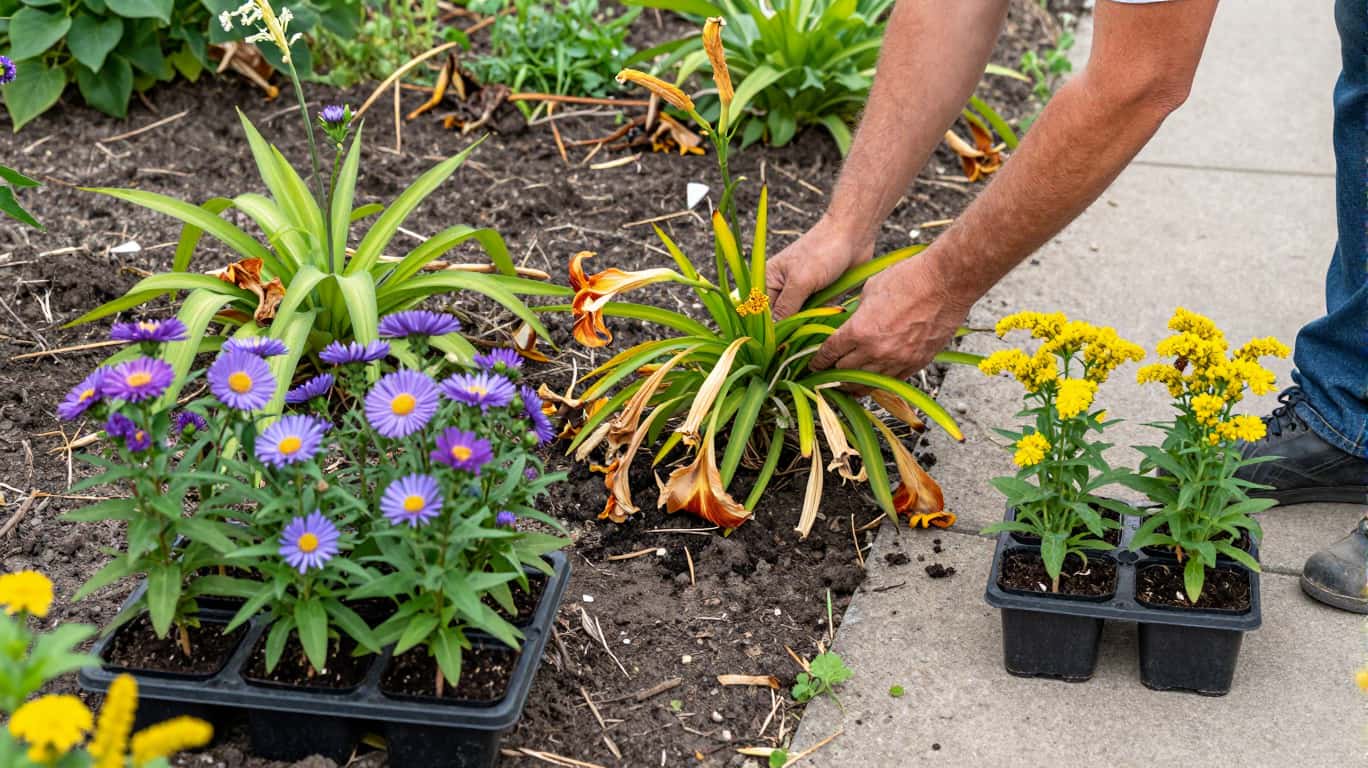
Asters and goldenrods are the backbone of the late garden. New England aster blooms purple and pink from late August through October. Pair it with goldenrod for a combination that feeds every pollinator in the neighborhood. Both are native, both are tough, and both look best when you stop trying to stake them and let them lean.
Ornamental kale and cabbage don't look like much in August. In October, after a few frosts, their colors intensify to deep purple, white, and pink. They hold through snow. I plant them in the gaps left by early vegetables. They're not food — they're living sculpture.
Pansies planted in August bloom through fall, go dormant in winter, and come back in March. That's three seasons from a six-pack. I plant them wherever the summer annuals have given up.
Mums are the obvious choice, and I grow them, but not the potted ones sold at every grocery store in September. I buy small, hardy garden mums from a local nursery and plant them in August so they can root in. A mum planted in August comes back next year. A mum bought in full bloom in October rarely does.
For foliage, heuchera and carex planted now will look good through November. The heuchera colors actually intensify in cool weather, and carex stays green under snow.
What to Sow in the Vegetable Garden
August is the moment to pull out the spent cucumbers, the bolted lettuce, and the zucchini plants that have powdery mildew and bad attitudes. Those spaces are prime real estate for quick fall crops.
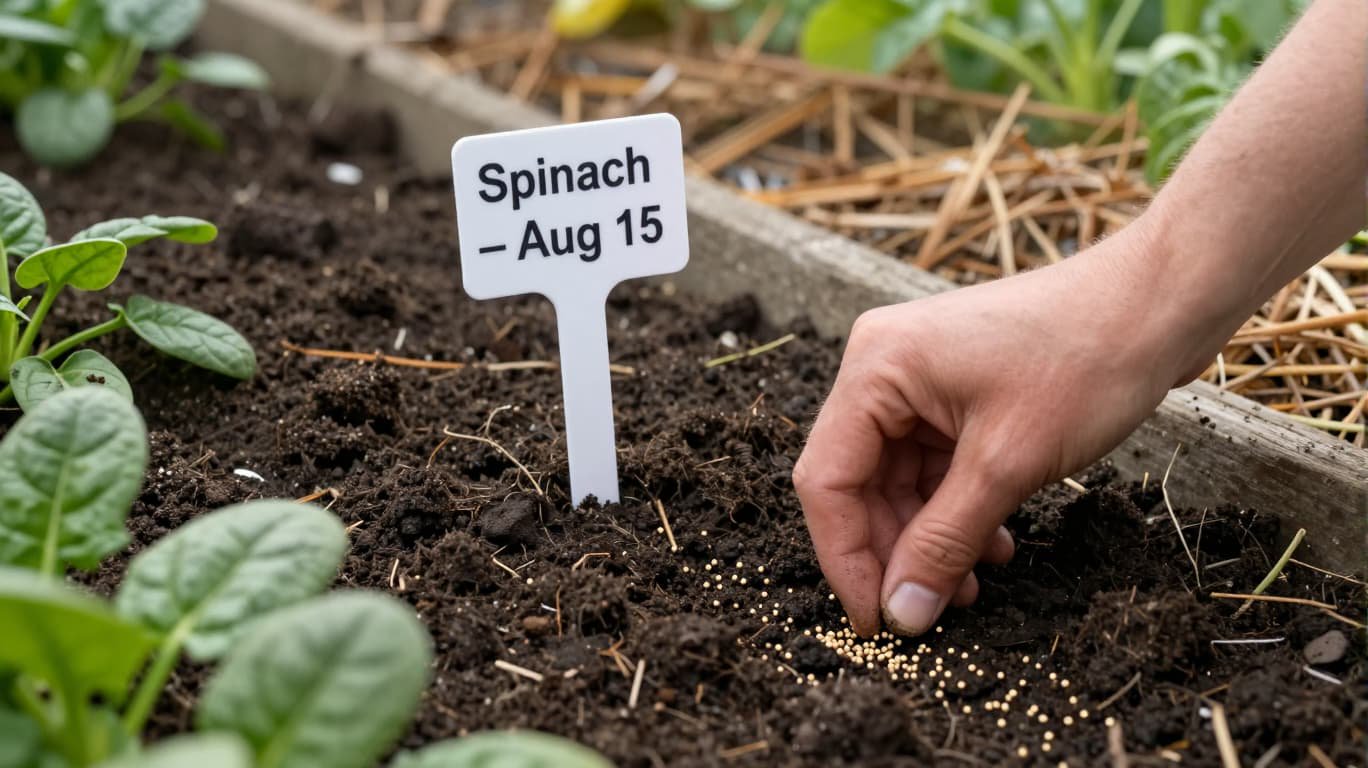
Spinach sown in mid-August will germinate in the cooling soil and produce by late September. It thrives in the shorter days and actually sweetens after frost. I grow 'Tyee' or 'Space' — varieties that hold up to early cold. Radishes go from seed to harvest in 25 days. I plant a row every two weeks from August through mid-September and have radishes until the ground freezes. French breakfast radishes are my standard because they're fast and never woody in cool weather.
Turnips and beets planted now will mature in October and hold in the ground through early freezes. I mulch them heavily with leaves and harvest through November. The greens are as useful as the roots.
And if you have a cold frame or a low tunnel, August-planted spinach, arugula, and mache can keep producing into December. I don't yet, but I'm building one this fall. This is the year I stop letting October end my harvests.
Cleanup That Sets Up the Season
Planting is only half the work. The other half is removing what's finished so the new plants don't have to compete.
Pull summer annuals that have gone to seed or turned crispy. Cut back perennials that are truly done — the daylilies, the early-summer salvias, anything that's brown. Leave the ones that will give you something in fall. Sedum stays. Ornamental grasses stay. Echinacea seed heads stay for the birds.
Weed thoroughly before you plant. August weeds are hardened, deep-rooted survivors. If you leave them, they'll set seed and multiply by spring. I do one serious weeding pass in early August and mulch immediately after.
What Not to Do
Don't plant warm-season crops. Tomatoes, peppers, and squash will not mature from an August start. Don't fertilize heavily now — you want slow, steady growth, not a flush of tender leaves that frost will turn to mush. Don't assume the rain will handle watering. New transplants need regular water until established, even as the temperatures drop.
August is not the end. It's the hinge. The work you do now doesn't pay off this week. It pays off in September, when the asters open and the spinach leaves are tender and the garden feels alive again while everything around it is winding down.
Letters
No letters yet — be the first to write.