Mid-April in Massachusetts—the garden centers are already stacked with tomato transplants, and the temptation is real. But every year I see the same scene: a gardener rushes to put plants in the ground after a warm weekend, only to watch them sulk through three weeks of cold rain. Knowing when to plant tomatoes in Massachusetts isn't just about the calendar—it's about reading your soil and your local weather patterns. Get the timing wrong and you lose a month of growth. Get it right and you'll be picking ripe fruit by late July.
Understanding Your Last Frost Date
The single most reliable guide for when to plant tomatoes in Massachusetts is your area's average last spring frost date. In Boston and along the coast, that often falls between April 20 and May 1. Central Massachusetts (Worcester, Amherst) typically sees last frost around May 10–15. In the Berkshire hills and northern parts of the state, you may be waiting until May 20 or even June 1. These dates are averages—they can shift by two weeks in either direction depending on the year.
I recommend checking the National Gardening Association's frost date tool or your local extension service for the most precise data for your zip code. Once you know your last frost date, add one week of buffer before transplanting tomatoes. A light frost after planting can kill unprotected seedlings. Even a cold night in the upper 30s can stunt growth for days.

Soil Temperature Matters More Than the Calendar
If you rely solely on the calendar, you might plant when to plant tomatoes in Massachusetts technically says it's safe but the ground is still cold. Tomatoes are heat-lovers—they won't grow roots in soil below 55°F, and they'll sit there turning yellow. The ideal soil temperature for transplanting is 60°F at a depth of 4 inches. A soil thermometer is a ten-dollar tool that saves a season of frustration.
To warm your soil faster, cover it with black plastic or landscape fabric two weeks before you plan to plant. This is a common trick among New England growers. In my own community garden plot in Jamaica Plain, I lay down a sheet of plastic in early May and check the temperature daily. Once the soil hits 60°F and the forecast shows no overnight lows below 50°F, I know it's time.
Hardening Off and Planting Day Tips
Even if the conditions are perfect for planting tomatoes, seedlings need a gradual transition from indoor or greenhouse conditions to the outdoors. Start hardening off about a week before your intended planting date—set plants outside for a few hours in dappled shade, then gradually increase sun exposure over several days. This prevents sunscald and transplant shock.
On planting day, bury the stem up to the first set of true leaves. Tomatoes form roots along the buried stem, giving you a stronger plant. Space determinate varieties 2 feet apart, indeterminate 3 feet. Add a handful of compost or a balanced organic fertilizer (5-5-5) at the bottom of the hole. Water in well and mulch with straw to retain moisture and keep soil temperatures stable.
Recommended Varieties for Massachusetts
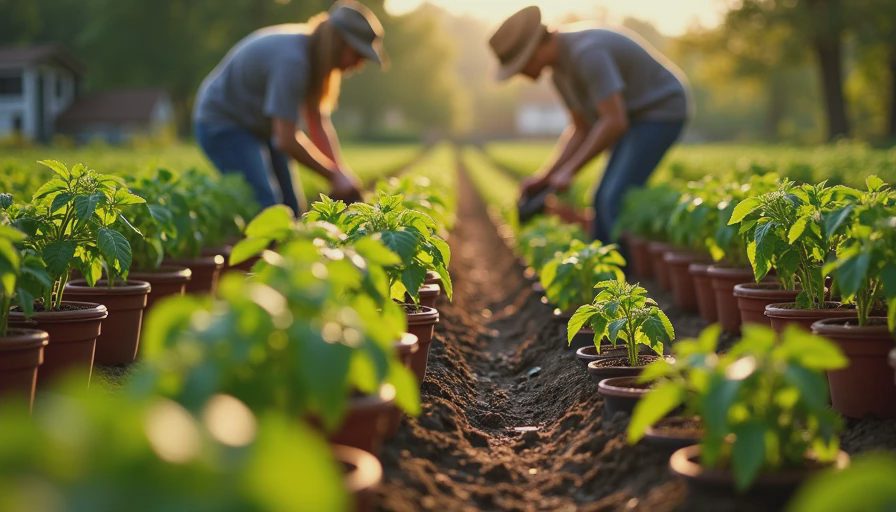
Not all tomatoes are created equal for New England's short growing season. When to plant tomatoes in Massachusetts also depends on which variety you choose. Indeterminate types like Brandywine, Cherokee Purple, and San Marzano need consistent warmth and may not ripen fully if planted late. For a reliable harvest, I lean toward early-maturing determinates like 'Celebrity', 'Early Girl', and 'Glacier'. These set fruit all at once and ripen in about 60–70 days.
If you have a short season (Berkshires, northern Worcester County), or if you're planting in a cooler microclimate, consider 'Siberian', 'Sub Arctic Plenty', or 'Stupice'—they're bred to handle cool nights and still produce a crop. I've grown 'Stupice' in my own plot and had ripe tomatoes by the first week of August from a Memorial Day transplant.
Using Season Extenders to Plant Earlier
Even if the calendar says it's too early, you can push the safe date for when to plant tomatoes in Massachusetts by using season extenders. A Wall-O-Water or a simple plastic cloche traps heat around each plant, allowing you to transplant two to three weeks before your last frost date. These devices cost about $15 each and can be reused for years. I've used Wall-O-Water with 'Early Girl' transplants set out on April 20 in Boston, and they survived a 28°F night with no damage. The key is to vent them during the day to prevent overheating—temperatures can soar above 100°F inside on a sunny day. Row covers made of lightweight fabric provide similar protection but require hoops to keep the fabric off the leaves. If you use season extenders, check soil temperature and weather forecasts daily. The goal is to gain a few weeks of growth without risking frost damage. Once the danger has passed, remove the covers so plants get full sun and airflow. For gardeners in zone 5b or 6a, this technique can make the difference between a bumper crop and a late-season gamble on an early frost.
What I'm Watching This Week
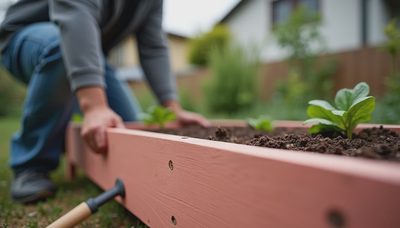
Late April is the window for safe planting in coastal Massachusetts, but I'm holding off. My soil thermometer read 52°F yesterday in the raised bed. I'll wait until the first week of May, then check again. The key to knowing when to plant tomatoes in Massachusetts is patience—the plants don't care about the date on the calendar, they respond to the ground and the air. If you want a head start, use a wall-o-water or simple cloche to protect early transplants from a cold snap. But honestly, waiting that extra week gives you healthier plants and fewer headaches.
Plant smart. Grow slow. The garden keeps no secrets.



Letters
No letters yet — be the first to write.