Japanese knotweed control methods are a topic I get asked about nearly every week at the garden center. This invasive perennial (Fallopia japonica) is one of the toughest plants to eliminate in New England. If you've got it creeping into your yard from a neighbor's property or along a roadside, you know the frustration. The rhizomes can spread 20 feet horizontally and go 6 feet deep. Pulling it by hand only makes it angrier. So what actually works? I've tested several approaches over the years, and here's what I've learned.
Understanding Japanese Knotweed
Before jumping into control, you need to understand how this plant operates. Japanese knotweed emerges in early spring as red-tipped shoots that look a bit like asparagus — but don't eat them unless you're certain of the species. It grows quickly, forming dense stands of bamboo-like stems that can reach 10 feet tall by midsummer. The real enemy is underground: an extensive network of rhizomes that store massive energy reserves. If you cut the stems, the plant simply regrows from those reserves. That's why Japanese knotweed control methods have to target the root system.
The plant spreads through fragments of rhizome as small as one inch — which means mowing, tilling, or improper digging can actually make the infestation worse. New England's moist, disturbed soils along roadsides and riverbanks are perfect habitat. And if you live near a waterway, you have additional restrictions on herbicide use.
Chemical Control Methods
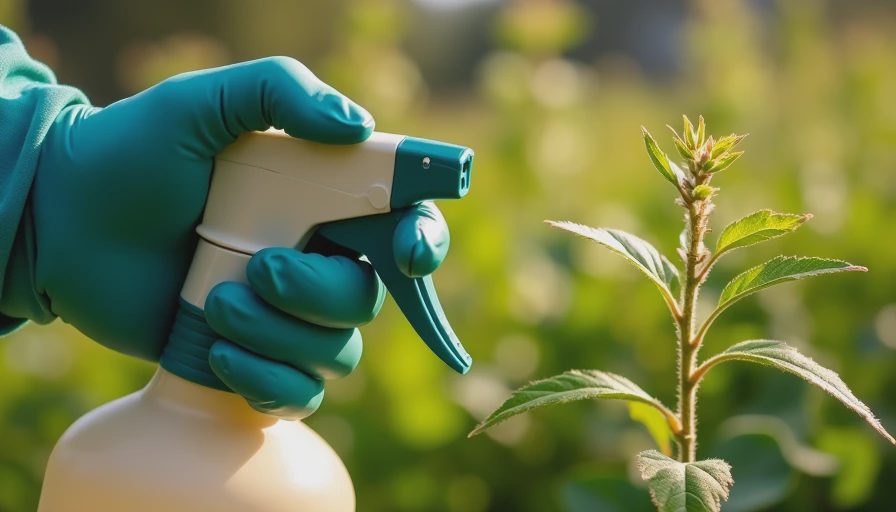
For most New England homeowners, herbicide is the most practical starting point for Japanese knotweed control methods. The most effective active ingredient I've found is glyphosate. I know glyphosate gets a bad reputation, but when used carefully — and only on the knotweed — it's a tool that works. Apply it in late summer to early fall, after the plant has flowered but before the leaves start yellowing. That's when the plant is moving carbohydrates down to the rhizomes, pulling the herbicide with it.
Use a concentrated formulation (at least 41% glyphosate) mixed to label directions. Cut the stems to about chest height and immediately paint the cut stumps with the solution using a foam brush or spray bottle. This minimizes drift to surrounding plants. You'll likely need to repeat the treatment for two to three years. Alternatively, a foliar spray works for large patches, but be extremely careful not to hit desirable vegetation. In Massachusetts, you need a license to apply herbicides on someone else's property, so check your state regulations before hiring a company.
Non-Chemical Methods
If you want to avoid herbicides, you have fewer options — but some can work for small infestations. One method I've seen succeed is repeated cutting. Mow or cut the stems to the ground every two to three weeks throughout the growing season. This starves the rhizomes by preventing photosynthesis. It's a multiyear commitment — typically three to five years — and you have to be relentless. Miss one month and the plant bounces back.
Another non-chemical approach is excavation. Digging out the entire root mass is only feasible for small areas (less than 100 square feet) and requires disposing of the soil properly. You can't compost it, because the rhizomes will survive. You need to bag the contaminated soil and send it to a landfill that accepts invasive plant waste. In New England, some towns charge $50 to $150 per ton for disposal. This method is labor-intensive and expensive, but it's the only way to remove the plant entirely without chemicals.
Integrated Approach
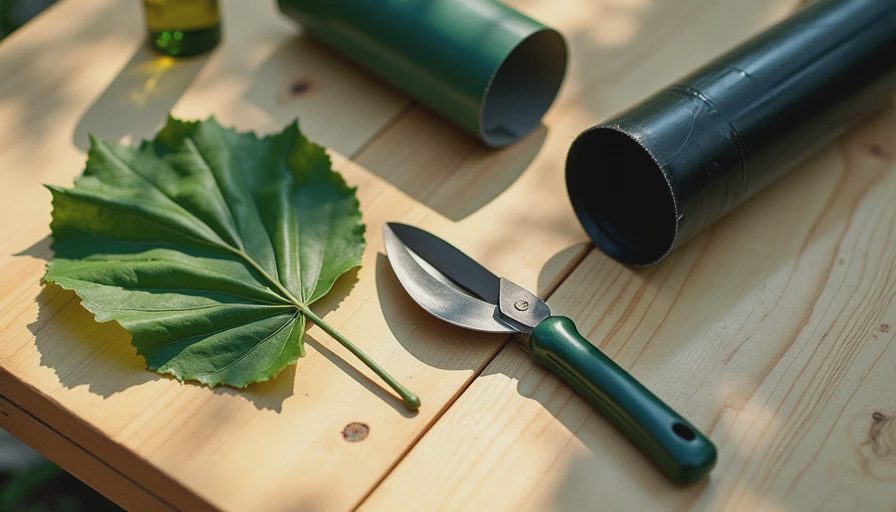
In my experience, the most reliable Japanese knotweed control methods combine both chemical and non-chemical strategies. For a typical backyard infestation, start with a late-summer stem injection of glyphosate (using an injector tool that delivers herbicide directly into the hollow stems). This is more precise than spraying and reduces off-target damage. Then, the following spring, cut the regrowth repeatedly. The herbicide weakens the rhizome mass; the cutting further depletes its reserves. After two seasons of this, you should see much less regrowth.
Another integrated tactic is to plant competitive native species after the knotweed is suppressed. Once the herbicide has done its work and the knotweed is reduced to a few scattered shoots, I've had success establishing a thick planting of native grasses and shrubs like switchgrass (Panicum virgatum) and ninebark (Physocarpus opulifolius). They shade the ground and make it harder for knotweed to re-establish from any leftover rhizome fragments.
What I Recommend
If you're starting this season, here's my honest advice: hire a professional for the first year, especially if your infestation covers more than 500 square feet. Many New England-based invasive plant control companies offer a guaranteed treatment plan. Expect to pay $500 to $2,000 depending on the size and location. The cost is worth preventing damage to your foundation, driveway, or septic system — knotweed rhizomes can exploit cracks in concrete and asphalt.
For DIYers with small patches, the cut-and-paint method with glyphosate is your best bet. Start in August, mark your calendar for a follow-up treatment in late September, and plan to repeat next year. Japanese knotweed control methods are not a one-season fix, but with persistence, you can reclaim your yard. What I planted instead in areas where knotweed was suppressed: native elderberry (Sambucus canadensis) and highbush blueberry (Vaccinium corymbosum) — both handle the same moist soil conditions and give you something to harvest while keeping the knotweed out.



Letters
No letters yet — be the first to write.