The False Choice
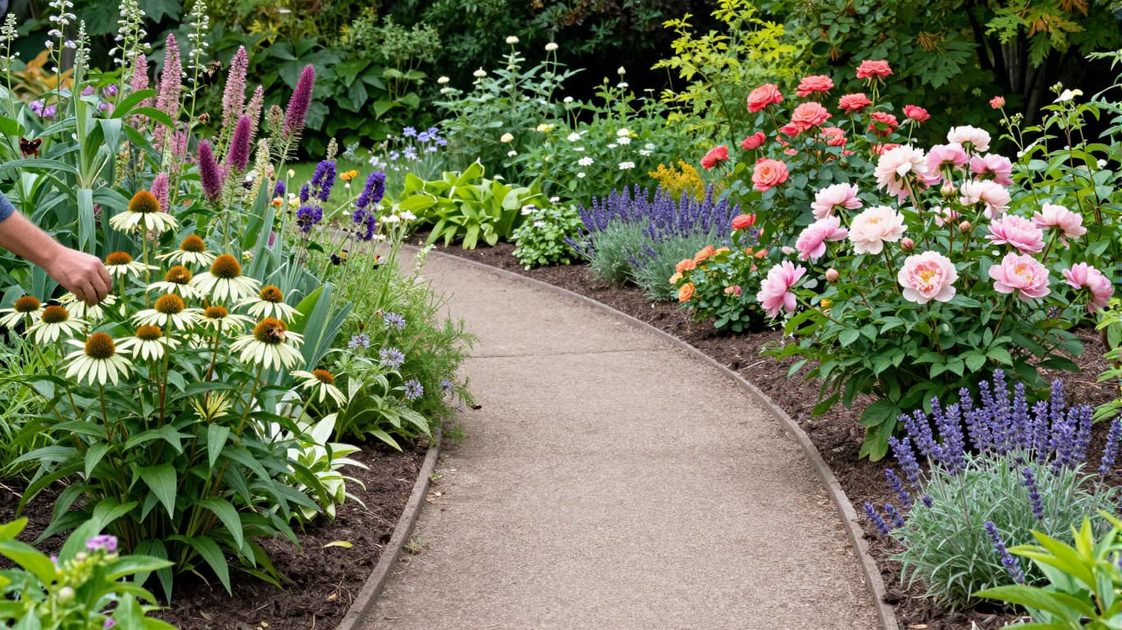
I have watched the native plant conversation shift from a quiet niche to a loud argument. On one side, gardeners are told that every ornamental is an ecological dead zone. On the other, they are told natives are weedy and unattractive and that a proper garden needs hybrid roses. Both positions are wrong, and both make gardeners feel guilty about choices that should be practical.
I grow natives. I grow ornamentals. I grow plants that fall somewhere in between, like nativars — cultivated varieties of native species. What I don't grow is anything that requires constant intervention to survive in my clay soil, or anything that is actively invasive in New England. Beyond that, I choose plants based on what they do.
Where Natives Earn Their Place
Native plants have spent millennia adapting to New England's climate, soil biology, and wildlife. That adaptation is not a marketing claim. It shows up in real, measurable ways.
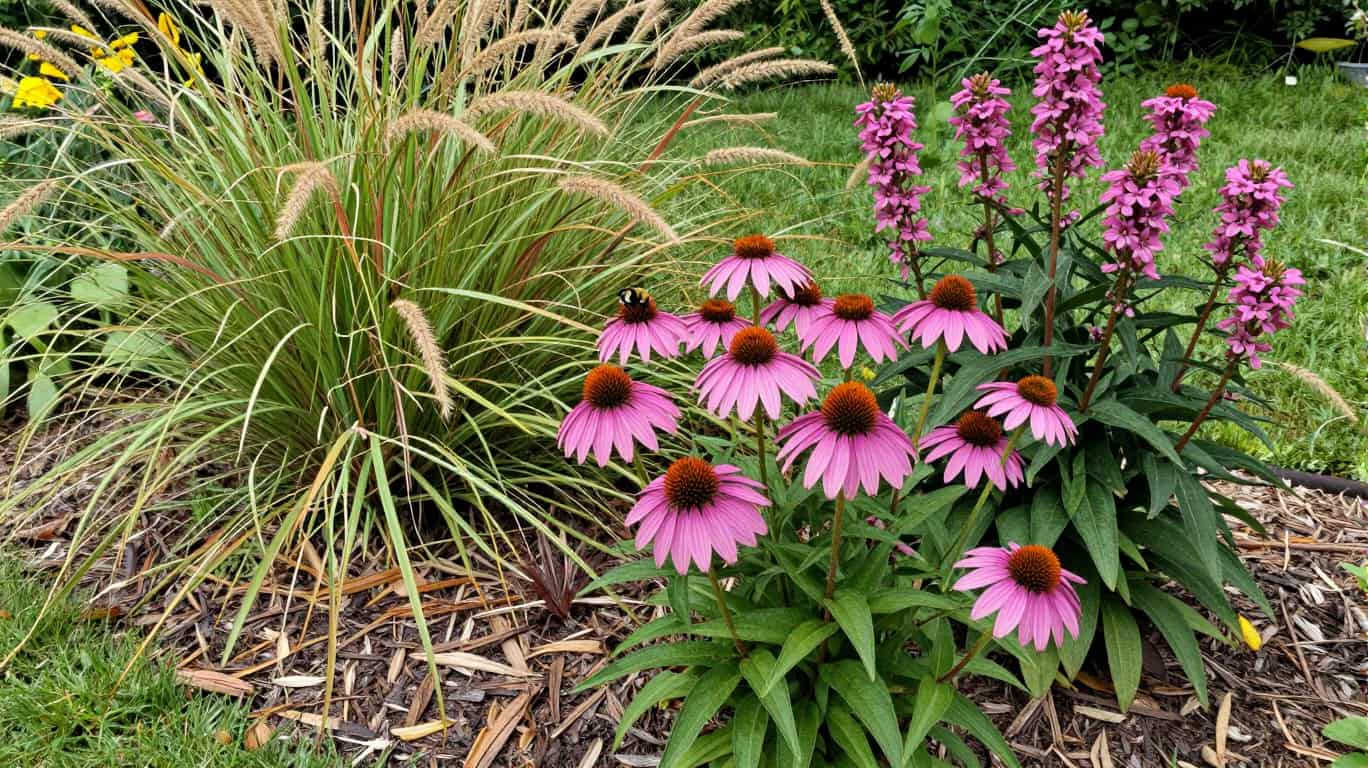
My native plants need less water once established because their root systems evolved with our rainfall patterns. My little bluestem and butterfly weed went through last summer's dry August without a drop of supplemental water. The non-native delphiniums next to them needed weekly soaking to avoid collapse.
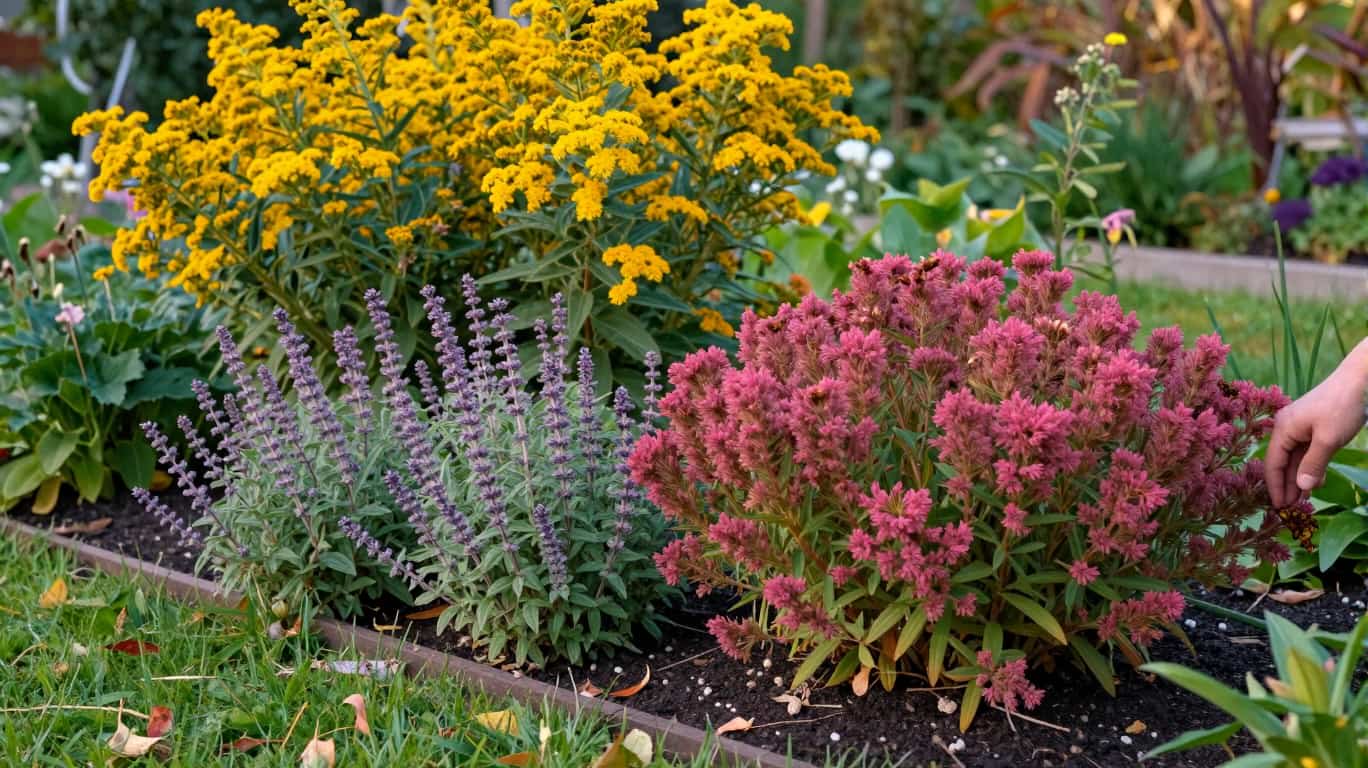
Natives support specialist pollinators that ornamentals cannot. Native bees that evolved alongside specific flower shapes, butterfly larvae that can only eat specific host plants — these relationships cannot be replaced by a generic pollen-rich ornamental. My goldenrods and asters are covered in pollinator activity from September through frost, long after most ornamental flowers have finished.
And natives, properly sited, require less work. They do not need winter protection. They do not need staking. They do not need the soil amended to something unrecognizable. They accept the conditions they evolved in. That is not ideology. That is less time spent keeping plants alive.
I use natives for the backbone of my garden — the plants that must survive without me. The oakleaf hydrangea under my maple, the marginal wood ferns in dry shade, the switchgrass that holds the winter garden together. These are not the plants I fuss over. They are the plants I rely on.
Where Ornamentals Make Sense
Ornamentals earn their place when they offer something natives cannot, and when they do it without becoming invasive.
I grow peonies because no native plant blooms with the same fragrance and volume in June. They are not a larval host for native butterflies. They do not need to be. They feed early-season bees, they make cut flowers for my kitchen, and they live for decades in the same spot with no input beyond compost and staking. I can justify that.
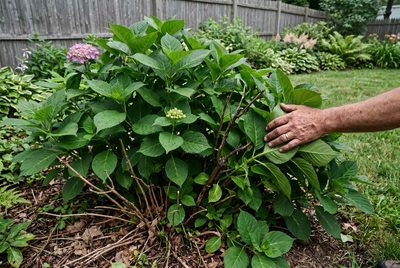
I grow panicle hydrangeas because they bloom reliably on new wood in a climate where native hydrangeas are understory shrubs with a different look and less garden versatility. I grow catmint because true lavender dies in my wet winter soil, and catmint gives me the same silvery foliage and pollinator activity without the rot.
The question I ask about an ornamental is not "Is it native?" It is "Will it survive here without heroic effort?" and "Is it invasive or aggressive in my region?" Burning bush is an ornamental. It is also invasive in New England forests. I will never plant it. Norway maple is an ornamental. It seeds into woodlands and displaces native sugar maples. I cut down the one that came with my yard.
There is a difference between an ornamental that behaves and an ornamental that escapes. The first is a garden choice. The second is an ecological problem.
The Nativar Middle Ground
Nativars are cultivated varieties of native species, selected for traits like compact size, different flower color, or disease resistance. They sit in the middle of this conversation, and I use them more than anything else.
'Little Henry' sweetspire is a compact form of our native Itea virginica. It fits in a small urban garden where the straight species would outgrow its space. 'Goldsturm' rudbeckia is a nativar that blooms more consistently than the straight species while still supporting pollinators. I grow both without guilt.
The concern about nativars is legitimate. Some have reduced pollen or nectar. Double-flowered selections may block pollinator access. Cultivars with red or purple foliage may be less palatable to native insects. I check before I plant. If a nativar is sterile or inaccessible to pollinators, I treat it like an ornamental — useful for structure or beauty, but not an ecological contributor. If it supports wildlife comparably to the straight species, I use it confidently.
How I Decide, Case by Case
When I am choosing a plant for my garden, I ask five questions. None of them are "Is it native?" as a yes-or-no test.
What is this plant's job? If the job is to provide structure in winter, support pollinators in late summer, or stabilize soil on a slope, natives are often the best tool. If the job is to fill a vase in June or provide a specific color in a specific spot, I may look to ornamentals.
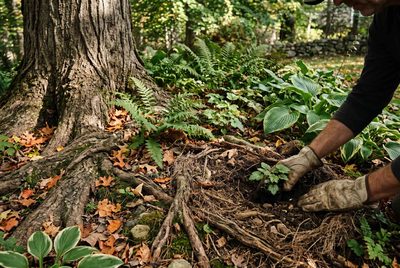
What are my actual site conditions? If a spot is dry shade under a maple, my options are limited. I will plant native ferns, Carex, and Epimedium — a mix of native and non-native that all survive the same brutal conditions. I will not plant something that needs coddling.
Will this plant spread into natural areas? This is a hard line. If a plant is known to be invasive in New England, I do not plant it. Full stop. The Massachusetts Invasive Plant Advisory Group maintains a list. I check it.
Am I willing to do the maintenance this plant requires? I do not grow hybrid tea roses because I will not spray fungicide every two weeks. I do grow rugosa roses because they handle New England humidity without intervention. The plant has to match my willingness to work.
What will this plant contribute to the garden community? A good garden is a system, not a collection. Every plant should feed something — pollinators, soil biology, the compost pile, my own need for beauty in winter. If a plant contributes nothing, I do not have space for it.
The Garden That Works
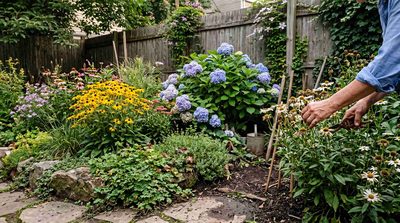
My own garden is a mix. Native switchgrass and echinacea stand next to non-native catmint and sedum. Native ferns and foamflower cover the ground under my maple, while peonies and panicle hydrangeas anchor the sunnier beds. It is not a native plant garden. It is not a traditional perennial border. It is a garden that functions — for me, for pollinators, for the soil — and that is the only category I care about.
When you stop asking "Which side am I on?" and start asking "What does this plant do here?" the choice gets easier. Plant what feeds the soil. Plant what feeds the bees. Plant what can survive a New England winter and a New England summer without chemicals. If the plant is native, good. If it is not and it behaves, also good. If it is invasive or requires constant rescue, let it go. The garden is not a political statement. It is a living system. Treat it like one.
Letters
No letters yet — be the first to write.