The Question I've Heard Most
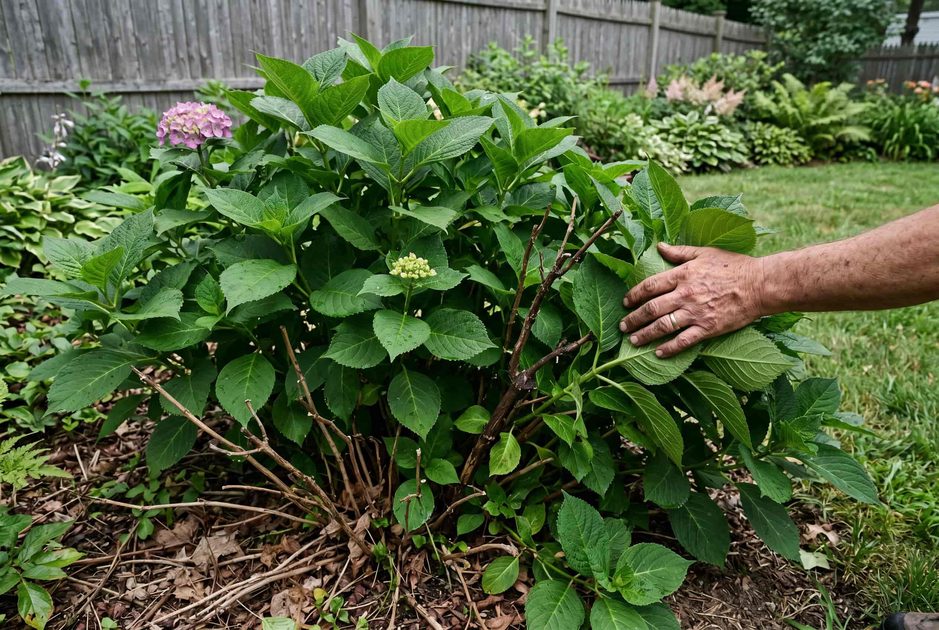
Every July, the same customer walked into Mahoney's. They'd planted a hydrangea three years ago. It looked healthy — big green leaves, strong stems — but it had never bloomed. Or it bloomed once and never again. They wanted to know what they were doing wrong.
In most cases, they were not doing anything wrong. They had bought the wrong hydrangea for New England, or they had pruned it the way a neighbor told them to, or a late May frost had wiped out the flower buds before anyone noticed. The plant wasn't sick. The plant was a victim of bad information.
Let me walk you through how to figure out why yours isn't blooming and whether you can fix it.
Step One: Know Which Hydrangea You Have
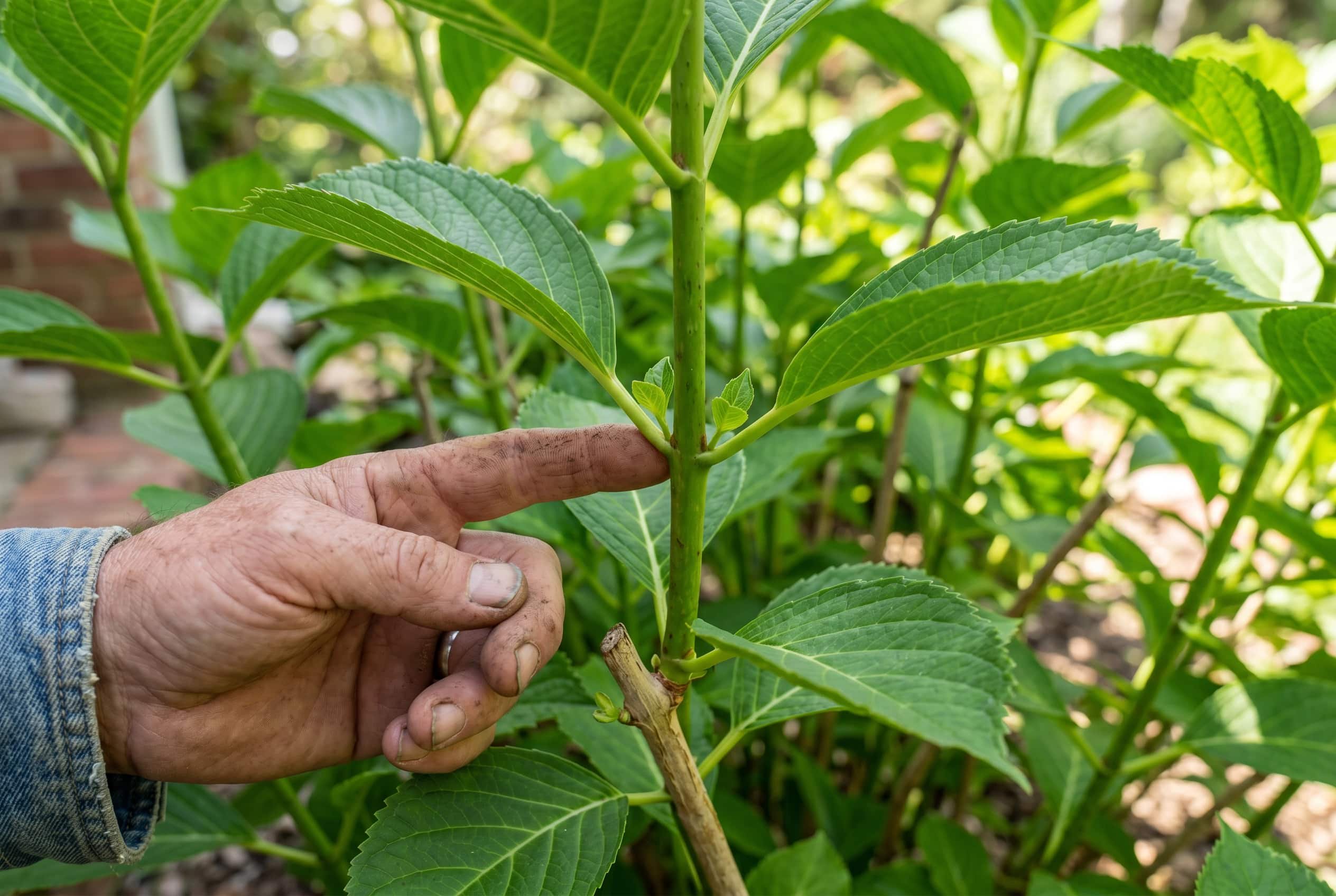
This is the step everyone skips. You cannot fix a blooming problem until you know what type of hydrangea you own, because different types bloom on different wood. Pruning or winter damage affects them completely differently.
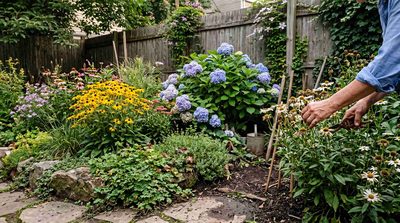
Bigleaf hydrangeas, Hydrangea macrophylla, are the classic mopheads and lacecaps with pink or blue flowers. They bloom on old wood — the stems that grew the previous summer. If those stems die back over winter or get pruned off in spring, you lose the flowers. This is the type that fails most often in New England.
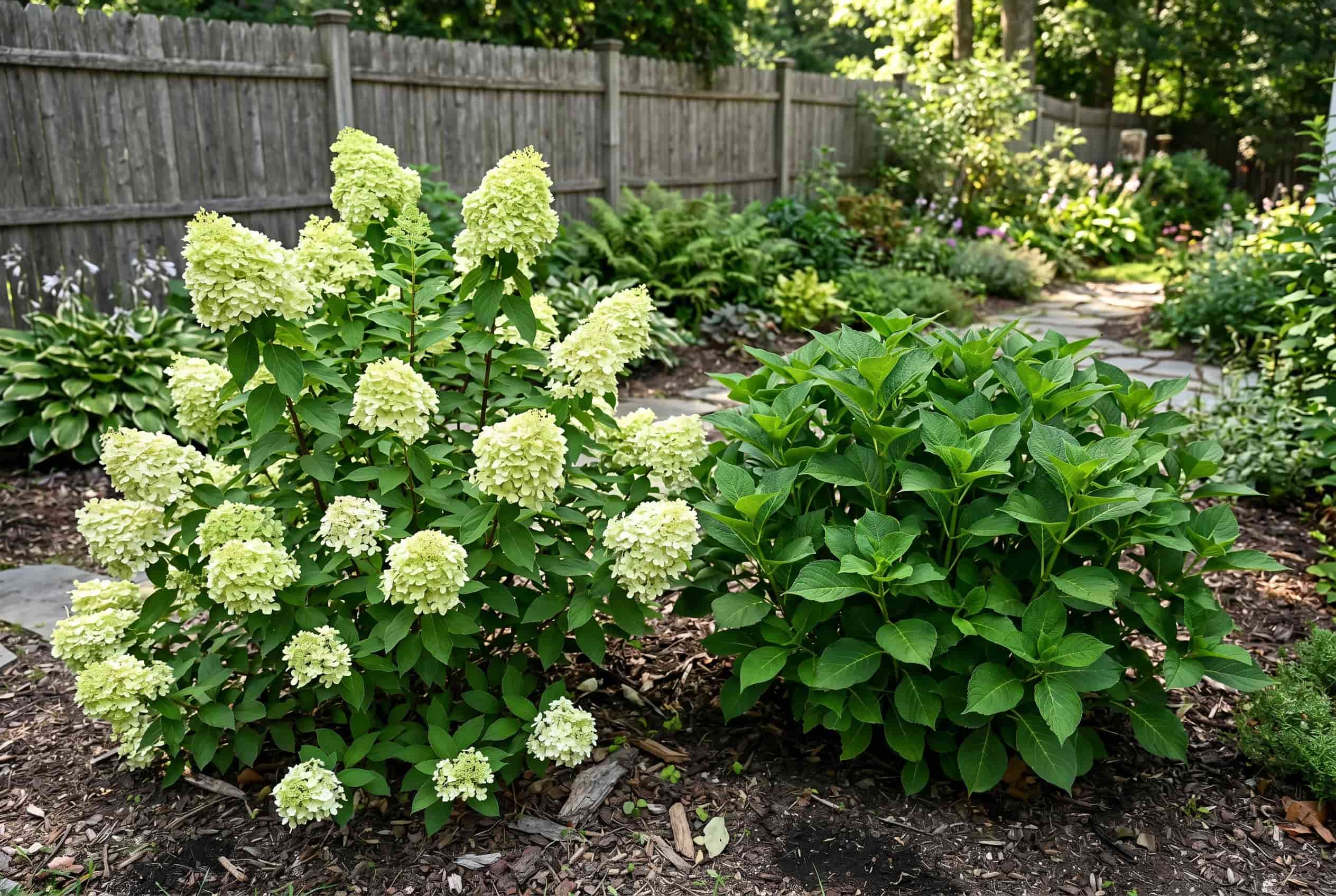
Panicle hydrangeas, Hydrangea paniculata, bloom on new wood — the current season's growth. 'Limelight' and 'Quick Fire' are common varieties. These bloom reliably regardless of winter damage because the flower buds form on new stems. If you have one of these and it is not blooming, something else is wrong — usually too much shade or too much nitrogen.
Smooth hydrangeas, Hydrangea arborescens like 'Annabelle', also bloom on new wood. They are equally reliable in our climate. Oakleaf hydrangeas, Hydrangea quercifolia, bloom on old wood and face the same winter challenges as bigleaf types.
If you do not know which one you have, take a photo of the leaves and flowers next time it blooms and look it up. This matters.
Why Bigleaf Hydrangeas Fail Here
Bigleaf hydrangeas are the most common hydrangea in American gardens, and they are the least reliable in New England. The flower buds form on the previous year's growth in late summer and must survive the winter. In zone 6, a cold snap below zero, a freeze-thaw cycle in March, or a late spring frost in May can kill those buds entirely. The plant survives. The stems survive. The flower buds do not.
The plant leafs out vigorously in spring because the leaf buds and roots are fine. You spend the summer watering a healthy green shrub that never produces a single bloom. It is not your fault. The plant is winter-hardy in our zone, but its flower buds are not.
There are a few bigleaf varieties bred for better bud hardiness — 'Endless Summer' is the most well-known — but even these can fail after a harsh winter. I have seen 'Endless Summer' bloom beautifully one year and produce nothing the next, in the same spot, with the same care. That is New England.
Pruning Mistakes That Cost You Flowers
If you prune a bigleaf or oakleaf hydrangea in fall, winter, or early spring, you are cutting off the flower buds. This is the single most common reason for no blooms.
The only safe time to prune old-wood bloomers is immediately after they flower in summer. If you prune in March because the shrub looks messy, you will have no flowers that year. Accept the mess until growth starts, then remove only dead wood.
Panicle and smooth hydrangeas can be pruned in late winter or early spring before growth begins. I cut mine back by one-third in March. They bloom on the new growth that follows. If you prune these too late in spring, after the plant has leafed out, you will still get flowers, but fewer of them.
Other Causes Worth Checking
If you have confirmed the plant type and your pruning is correct, check three more things.
Too much shade will reduce blooms on any hydrangea. Panicle types need full sun. Bigleaf types want morning sun and afternoon shade in our climate. If a tree has grown and now shades the plant more than it did three years ago, that could be the problem.
Too much nitrogen produces dark green, lush leaves at the expense of flowers. If you fertilize your lawn near the hydrangea or use a high-nitrogen garden fertilizer, stop. Switch to a balanced or phosphorus-heavy formula only if a soil test confirms a deficiency.
A late spring frost after the plant has leafed out will kill tender new growth and flower buds. If your hydrangea leaves turned black in May last year, you had frost damage. The plant recovered and grew new leaves, but the flowers were already gone. There is nothing you can do about this except choose varieties that bloom on new wood.
What to Do If You Have a Bigleaf That Won't Bloom
You have two choices. One, accept the plant as a foliage shrub and stop expecting flowers. Some years you will get them, some years you won't. The plant is otherwise healthy and can live for decades.
Two, replace it with a panicle or smooth hydrangea that will bloom every year regardless of winter. I recommend 'Limelight', 'Quick Fire', or 'Annabelle'. These are not the same look as blue mopheads, and I know that is a tradeoff. But a hydrangea that blooms reliably in New England is better than one that never blooms at all.
I replaced my last bigleaf three years ago with a panicle 'Little Quick Fire'. It has bloomed every single year since, starting in June. I do not worry about frost. I do not worry about pruning. I cut it back in March and it handles the rest. If you are tired of staring at bare green shrubs in July, make the switch. Gardening is supposed to bring something back for the work you put in.
Letters
No letters yet — be the first to write.