I've been keeping a garden journal for the past eight years, and every March I flip back to the same page: 'Don't panic. The ground will thaw.' That note is part of my personal New England gardening calendar, a schedule I've refined season after season. Whether you're a seasoned gardener or new to the region, understanding the rhythm of our climate is the difference between a thriving garden and a constant struggle. In this guide, I'll walk you through the key tasks for each season, tailored to New England's specific microclimates and soil types.
Spring: The Race Against Frost (and Mud)
Spring in New England is a lesson in patience. The ground stays cold and wet well into April, and our last frost date can stretch from mid-May in coastal areas to late May inland. Resist the urge to plant warm-season crops too early. Instead, focus on these tasks from March through May.
Late March to early April: As soon as the soil is workable, direct-sow peas, spinach, and broad beans. These cool-weather crops can handle light frosts. I also start onion sets and potato pieces in the ground. A soil test is worth doing now—you can't fix pH issues after plants are in. The University of Massachusetts Soil Lab offers a cheap and reliable test.
Mid-April to early May: This is the window for transplanting hardy greens like kale, collards, and chard. Keep row cover handy—we always get a late April freeze. Prune your fruit trees before buds swell, but avoid pruning maples and birches; they bleed sap. In your New England gardening calendar, late April is the sweet spot for peas and spinach.
Mid-May onward: Once the soil temperature reaches 60°F, it's safe to plant tomatoes, peppers, eggplant, and basil. But don't rush—a cold, wet May can rot them. Use black plastic or landscape fabric to warm the soil faster. I've seen too many gardens lose half their tomato transplants to a May 20 freeze because someone followed a generic calendar.

Summer: Consistent Care for Maximum Yield
Summer heat in New England is often humid and erratic—we might have a week of 90°F followed by a cool, rainy stretch. Consistency is the name of the game. Mulch heavily with straw or shredded leaves to keep soil cool and moist. Water deeply once a week rather than a sprinkle every day.
June: Side-dress tomatoes and peppers with compost when they start flowering. Stake or cage before they sprawl. Prune suckers from indeterminate tomatoes for better air circulation. For flowers, deadhead spent blooms to encourage repeat flowering. I use a Felco #2 pruner for precision.
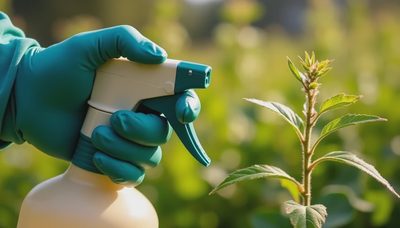
July: This is when Japanese beetles, squash vine borers, and late blight appear. Handpick beetles in the morning. Cover squash stems with foil to deter borers. For blight, fungicides like copper spray work if applied early. Mid-summer in the New England gardening calendar means mulching is critical—replenish where it's thinned.
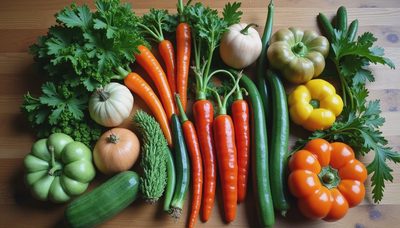
August: Harvest consistently to keep plants producing. Freeze or can excess produce. Begin direct-sowing fall crops like carrots, beets, and turnips. I also plant a second round of bush beans for a September harvest. Check for powdery mildew on cucumbers and zucchini—improve air circulation by pruning leaves.
Fall: Cleanup and Prep for the Cold
Fall is the most underrated season in New England. The weather is often perfect, and the pest pressure drops. But it's also when you set up next year's success. Think of fall as the bridge from harvest to dormancy.
September: Harvest winter squash and pumpkins before a hard frost—leave a few inches of stem attached for storage. Plant garlic in late September through October, spacing cloves 6 inches apart in well-drained soil. I add a balanced organic fertilizer at planting. For fall color, plant mums or asters now.
October: Divide and transplant perennials like daylilies, hostas, and irises while the soil is still workable. This is also the month to plant spring-blooming bulbs—tulips, daffodils, alliums. I dig a trench and lay bulbs at the right depth; a bulb auger for a drill saves time. Don't cut back ornamental grasses until spring; they provide winter structure and habitat.
November: After a hard frost, pull up spent annuals and add them to the compost (unless diseased). Mulch tender perennials with 4–6 inches of straw or leaves. Wrap young trees with hardware cloth to prevent voles and rabbits from chewing bark. Fall is when your New England gardening calendar shifts from production to protection.

Winter: Planning and Equipment Care
Winter is not dead time—it's planning time. The garden rests, but you can prep for a strong start next spring.
December: Clean and oil your tools. I sharpen pruners and shears with a diamond file. Drain hoses and store them inside. Review your garden journal—what worked? What didn't? Write notes while they're fresh.
January: Order seeds early—popular varieties sell out by February. Start a seed-starting schedule: I buy a heat mat and LED shop lights to start onions and leeks indoors in late January. While the garden sleeps, your New England gardening calendar should include reviewing last year's notes and ordering supplies.
February: Prune fruit trees and grapes on a mild day (above 20°F). Scrape off any scale insects. Start slow-growing annuals like petunias and snapdragons indoors. I also sow cold-hardy greens in a cold frame or low tunnel for an early spring harvest.
Putting It All Together
A New England gardening calendar is a living document—it adapts to your specific microclimate and each year's weather patterns. Start with these seasonal milestones, adjust based on your observations, and keep a journal. The more you pay attention, the more your calendar will reflect your garden, not a generic guide. Now get out there and dig in—the soil is waiting.

Letters
No letters yet — be the first to write.